
Fixed-scope build
Agree the collections, permissions and API consumers for one Strapi release. Migration and editorial acceptance are included in the project boundaries.
Fixed budgetLaunch dateClear scope
Saudi-based Strapi development company delivering API-first, enterprise-ready headless CMS platforms aligned with national digital transformation goals.
Our Strapi custom development services are structured around enterprise workflows, governance models, and long-term scalability requirements specific to large-scale Saudi organizations.
Strapi integrates easily with modern frontend frameworks such as Next.js, React, and cloud platforms, CRM, ERP, and analytics tools.
We implement Strapi’s role-based access control, API authentication, and permission layers to meet enterprise and government security expectations.
Using REST and GraphQL APIs, we enable fast, structured content delivery across multiple applications.
Strapi’s structured content model can support SEO-ready frontends that are built with modern frameworks.
Our support extends beyond launch, covering Strapi upgrades, performance optimization, security reviews, and scalability planning to make sure platforms remain stable and future-ready.
Strapi gives teams a flexible content API, but the content model determines how useful it becomes. We plan editorial roles, structured content and frontend delivery around the channels the organization manages.

Element8 is a leading Strapi development company in Saudi Arabia, delivering API-first, enterprise-grade headless CMS solutions for businesses, government platforms, and national digital programs. With deep expertise in scalable architecture, security, and performance, we help organizations build flexible digital foundations that enable multilingual content, complex integrations, and long-term growth across the Kingdom’s evolving digital ecosystem.

Agree the collections, permissions and API consumers for one Strapi release. Migration and editorial acceptance are included in the project boundaries. A CMS engineer and frontend team evolve structured content with editors. New fields are reviewed for both API impact and day-to-day authoring.
Agree the collections, permissions and API consumers for one Strapi release. Migration and editorial acceptance are included in the project boundaries.
A CMS engineer and frontend team evolve structured content with editors. New fields are reviewed for both API impact and day-to-day authoring.
Transfer schema definitions, deployment settings and editorial permissions with a supervised restore and release exercise.
Review fragile content relationships, overexposed APIs and incompatible plugins before upgrading an inherited Strapi installation.
A CMS engineer and frontend team evolve structured content with editors. New fields are reviewed for both API impact and day-to-day authoring. Connect channels and business tools through permissioned REST or GraphQL endpoints and controlled webhooks.
 API-First & Headless ArchitectureStrapi decouples content from presentation, which allows teams to innovate across platforms without rebuilding the CMS layer.
 High Performance & Faster Load TimesLightweight APIs and modern delivery models can improve speed, engagement, and Core Web Vitals.
 Scalable Content ManagementStrapi can handle growing content volumes, multilingual expansion, and traffic spikes without bottlenecks.
 Enhanced SecurityGranular permissions and reduced attack surfaces meet enterprises’ and public-sector security standards.
 Flexible Content Delivery Across PlatformsPublish once and distribute across web, mobile, internal systems, and emerging interfaces.
 SEO & Developer-Friendly CMSStructured content and modern frameworks support long-term search visibility and faster development cycles.

Model content relationships and editorial roles, then test representative entries before committing to the schema. Arabic content, RTL behavior and Saudi integration requirements are assessed within the agreed scope.
Data handling mapped to KSA privacy rules across every build.
Connect channels and business tools through permissioned REST or GraphQL endpoints and controlled webhooks. Hosting location, subprocessors and data transfers are reviewed for the selected platform; residency is confirmed through its actual configuration.
Transfer schema definitions, deployment settings and editorial permissions with a supervised restore and release exercise. The contract defines rights to commissioned code and identifies third-party licenses.
List the content channels, editorial roles and relationships your Strapi instance must serve. A useful content model starts with publishing needs rather than frontend screens. We use that evidence to outline scope, dependencies and budget assumptions.
Model content relationships and editorial roles, then test representative entries before committing to the schema.
Implement collections, validation and reusable frontend components against a documented API contract.
Connect channels and business tools through permissioned REST or GraphQL endpoints and controlled webhooks.
Rehearse content migration, permission checks and media delivery before switching API consumers.
Maintain database backups, plugins and content API compatibility. Test upgrades against the channels that depend on the CMS.
Model content relationships and editorial roles, then test representative entries before committing to the schema. Explore the linked case studies for documented project scope; platform fit is confirmed during discovery.


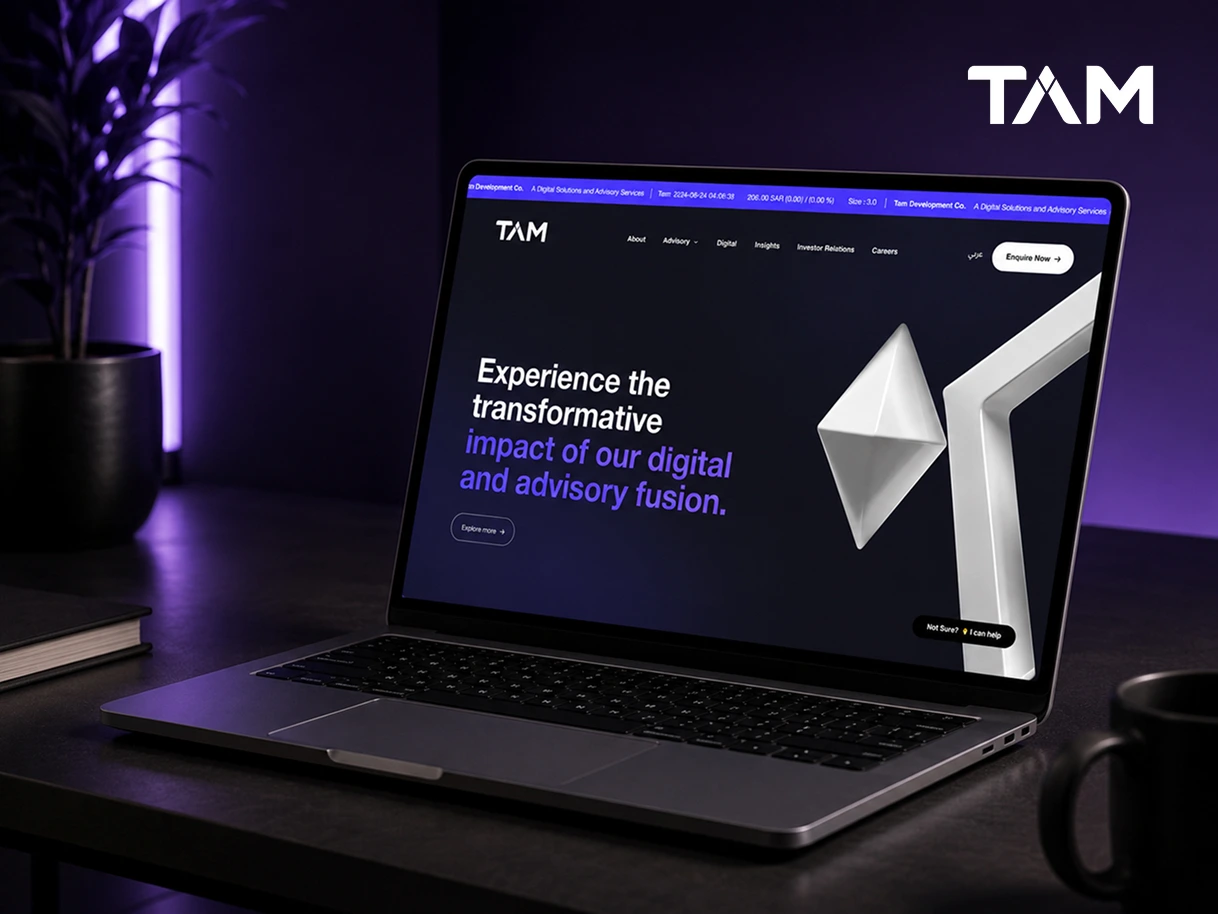
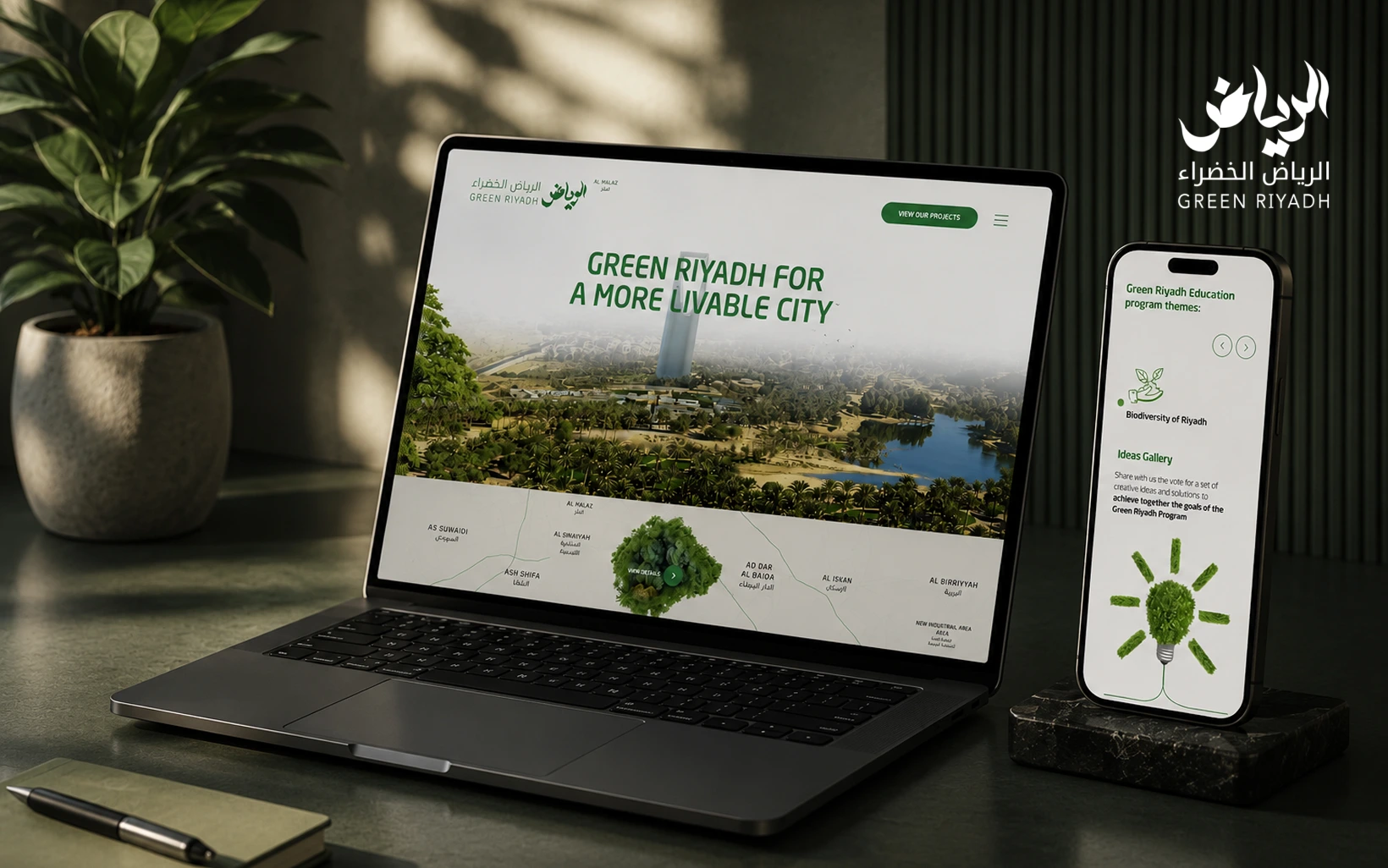

Model sector-specific content as structured collections that can be reused across websites, applications and editorial channels.

Two-sided platforms with RFQs, payments, vendor management and trust systems.

HRMS, payroll, attendance and performance platforms.

Listings, dealer tools and buyer journeys for high-consideration purchases.

Structure courses, institutions and learning resources for controlled delivery to the intended channels.

Represent projects, locations and amenities as related content, with publishing roles for the property team.

Separate product editorial content from commerce records so the store remains responsible for price and stock.
List the content channels, editorial roles and relationships your Strapi instance must serve. A useful content model starts with publishing needs rather than frontend screens.
List the content channels, editorial roles and relationships your Strapi instance must serve. A useful content model starts with publishing needs rather than frontend screens. The consultation identifies what is ready to estimate and what needs further discovery.
Maintain database backups, plugins and content API compatibility. Test upgrades against the channels that depend on the CMS. Model content relationships and editorial roles, then test representative entries before committing to the schema.
Transfer schema definitions, deployment settings and editorial permissions with a supervised restore and release exercise. Maintain database backups, plugins and content API compatibility. Test upgrades against the channels that depend on the CMS.

Model content relationships and editorial roles, then test representative entries before committing to the schema. Rehearse content migration, permission checks and media delivery before switching API consumers.
Digital transformation is a partnership, not a project.
Strapi CMS is a headless content management system that stores structured content and delivers it through APIs to any frontend. This allows content to be reused across websites, apps, and digital platforms.
Yes, when paired with a modern framework, Strapi can support fast performance, structured data, and clean URLs, which are the key factors for SEO and Core Web Vitals.
Strapi is best for enterprises, government platforms, and fast-scaling organizations that need flexible content management and omnichannel delivery.
Yes, Strapi supports complex content models, role-based access, scalability, and security features that are required for enterprise-grade platforms.
Yes, websites can be migrated from WordPress or legacy CMS platforms while preserving content structure and SEO foundations.
React, Next.js, Vue, Nuxt, AWS, Regional hosting providers
Strapi follows a headless, API-driven approach, making it better suited for scalable and multi-platform architectures, while WordPress is primarily designed as a coupled CMS.
It will take about 6-12 weeks, depending on complexity, integration, and enterprise requirements.
Pricing for Strapi CMS can depend on architecture complexity, integrations, hosting, and long-term scalability requirements rather than a fixed package.
Enterprise websites, Government portals, Multilingual platforms, Headless e-commerce, API-driven applications
Strapi offers flexibility, performance, and future readiness for organizations that require more than a traditional CMS.
Yes. Strapi integrates easily with CRM, ERP, analytics, e-commerce platforms, and third-party services.
Upgrades are handled through controlled version updates, testing, and optimisation to ensure stability and security.
Element8 provides Strapi CMS development services focused on enterprise readiness, regional expertise, and long-term digital scalability, which make us a trusted partner for Saudi organisations.
List the content channels, editorial roles and relationships your Strapi instance must serve. A useful content model starts with publishing needs rather than frontend screens. Include the intended launch window so we can assess dependencies.
Your brief is in. Our product team will reply within one business day, and your plan follows within five working days. If it is urgent, reach us on WhatsApp.
WhatsApp us