
Private AI knowledge
Policy and service assistants without sending sensitive knowledge to public AI.
Zero egressArabic and EnglishPolicy-aware
Element8 designs government and public-sector websites that help people find service information, understand requirements and reach the right channel. Plan Arabic and English journeys, accessible interfaces and governed publishing as one service experience.
Present the organisation’s remit, services, announcements and public contact routes through a consistent structure. Give each type of content an owner and a review process. Navigation should help visitors find their task without requiring them to interpret internal department names or download a document for every answer.
Build service pages with a clear purpose, intended users, required information, process steps and the correct application channel. Distinguish guidance from a completed transaction. Where a service runs on another platform, explain the handoff and provide a meaningful route back for support or additional information.
Plan RTL and LTR layouts, readable text, keyboard navigation, form feedback and equivalent service information. Agree which accessibility checks form part of delivery. Content editors need usable templates and guidance because accessibility also depends on the information published after launch.
Scope approved interfaces with the teams responsible for identity, requests, notifications or other connected services. Define authentication, allowed data, failure behaviour and operational ownership. A public website should clearly explain what an integration does without implying access to systems that have not been approved.
Structure announcements, policies, documents and service updates around your approval model. Use roles appropriate to the people creating and reviewing content. Establish review dates and a process for retiring obsolete information so a published service page continues to reflect the actual procedure.
Keep important service information indexable and understandable through useful headings, descriptive URLs and internal links. Review page delivery, redirects and language annotations. Plan backups, monitoring and escalation around the public tasks that need to remain available, with support responsibilities agreed before launch.
A public-sector website has to answer practical questions before a resident, business or visitor can act. People need to know which service applies, what information to prepare, where the process takes place and how to ask for help. We organise those decisions into clear service routes instead of expecting every visitor to understand the authority’s internal structure.
For Saudi government teams, public information and authenticated transactions may belong to different systems. We make that handoff explicit, plan Arabic and English content together and establish ownership for service updates. Accessibility, approval workflows and integration boundaries are addressed during discovery so the website remains useful beyond its initial launch.
We connect policy, content, UX, integrations, accessibility, cybersecurity and operations end to end.

Public experiences that are easier to understand, safer to operate and ready to evolve with policy — with accessibility, governance and continuity built in.

Architecture follows publishing scale, service integrations, security controls and approval models.
Secure high-volume public publishing with workflows, scanning and accessibility tooling.
Multi-site multilingual content, personalisation and approval governance for large authorities.
React and API-led interfaces for applications, dashboards and digital services.
Nafath, payment, notification, open-data and internal-system APIs.
Policy and service assistants without sending sensitive knowledge to public AI.
Service information should follow the visitor’s task, language and support needs, while the organisation retains control of the published content.
Explain who a service is for, what to prepare and where to begin. Use clear language and accessible mobile layouts. Visitors should be able to identify the correct contact route when they need clarification or cannot complete a task.
Give business services their own requirements, documents and contact routes. Separate informational enquiries from formal submissions. Use consistent terminology so organisations can understand the next step without guessing which department owns the process.
Organise announcements, reports and public documents by subject and date. Make the authoritative version easy to locate and distinguish archived material. Editors should be able to maintain publication history through a controlled workflow.
Provide templates that reflect the service model, approval roles and required updates. Define how teams report an incorrect page, update a requirement and check a linked transaction channel. The operating process is part of the website scope.
Trusted by leading brands — 900+ projects since 2010


























Government delivery requires accessibility, governance, secure integration, private AI options and operational continuity—not only design.
 KSA-readyBuilt around Riyadh buyers, Arabic/English journeys, and local business expectations.
 Full stackStrategy, UX, design, content, development, tracking, and post-launch support in one workflow.
 Ad friendlyPages are structured for search intent, fast load, message match and clear lead capture.
 No lock-inYou own the design, code, accounts, content, and source files after launch.
 16+ years in the region.A long-running digital, brand, web, app and marketing team with KSA and GCC delivery experience.
 One accountable team.Strategy, creative, UX, build, launch and reporting stay connected instead of being split across vendors.
Public-service content needs accuracy, accessibility and an understandable route to action. We connect those requirements with the publishing and technical operating model.
Explain purpose, eligibility information approved by your team, preparation and the application route on a readable page. Use short sections and relevant internal links. Avoid relying on an unexplained acronym or a large PDF to carry essential instructions.
Give policies, notices and service requirements a responsible owner and review date. Keep current and archived material distinct. The CMS should support the organisation’s approval process and allow corrections without rebuilding a page.
Define what the public website exchanges with a service system and which team supports that connection. Test unavailable-service and invalid-input states. A failed handoff should leave the visitor with a clear explanation and an appropriate support route.
Plan descriptive service URLs and equivalent Arabic and English content where both languages exist. Review canonical tags, sitemaps, redirects and language annotations. Keep sensitive or authenticated records outside the public website’s searchable content.
The project brings service owners, content approvers and technical stakeholders into the same delivery plan. Each stage produces material those teams can review.
Review service information, visitor questions, existing transaction channels and content ownership. Identify language requirements, accessibility checks and approval stages. Define the boundary between public guidance and an authenticated application process.
Create navigation and service templates around the public tasks. Review Arabic and English layouts, document links and support routes on mobile and desktop. Include form errors and unavailable-service states alongside the normal journey.
Implement the CMS roles, structured service content and agreed integrations. Work with source-system teams on authentication, permitted data and failure handling. Give editors guidance for keeping documents and service information consistent.
Check accessibility, language parity, links, metadata and redirects. Test important service routes and agreed integrations. Confirm the content approvals and escalation model, then maintain the website according to the support responsibilities established for the project.
Explore the websites, platforms and digital experiences we have delivered for this sector.
Public-sector digital is service design, not a brochure. We connect policy, content, UX, secure integrations, accessibility and 24/7 operations in one accountable team — so eligibility, documents and next steps become clear before a citizen ever starts an application.

Authority-first systems with Arabic-English clarity, governance, approvals and public trust signals.
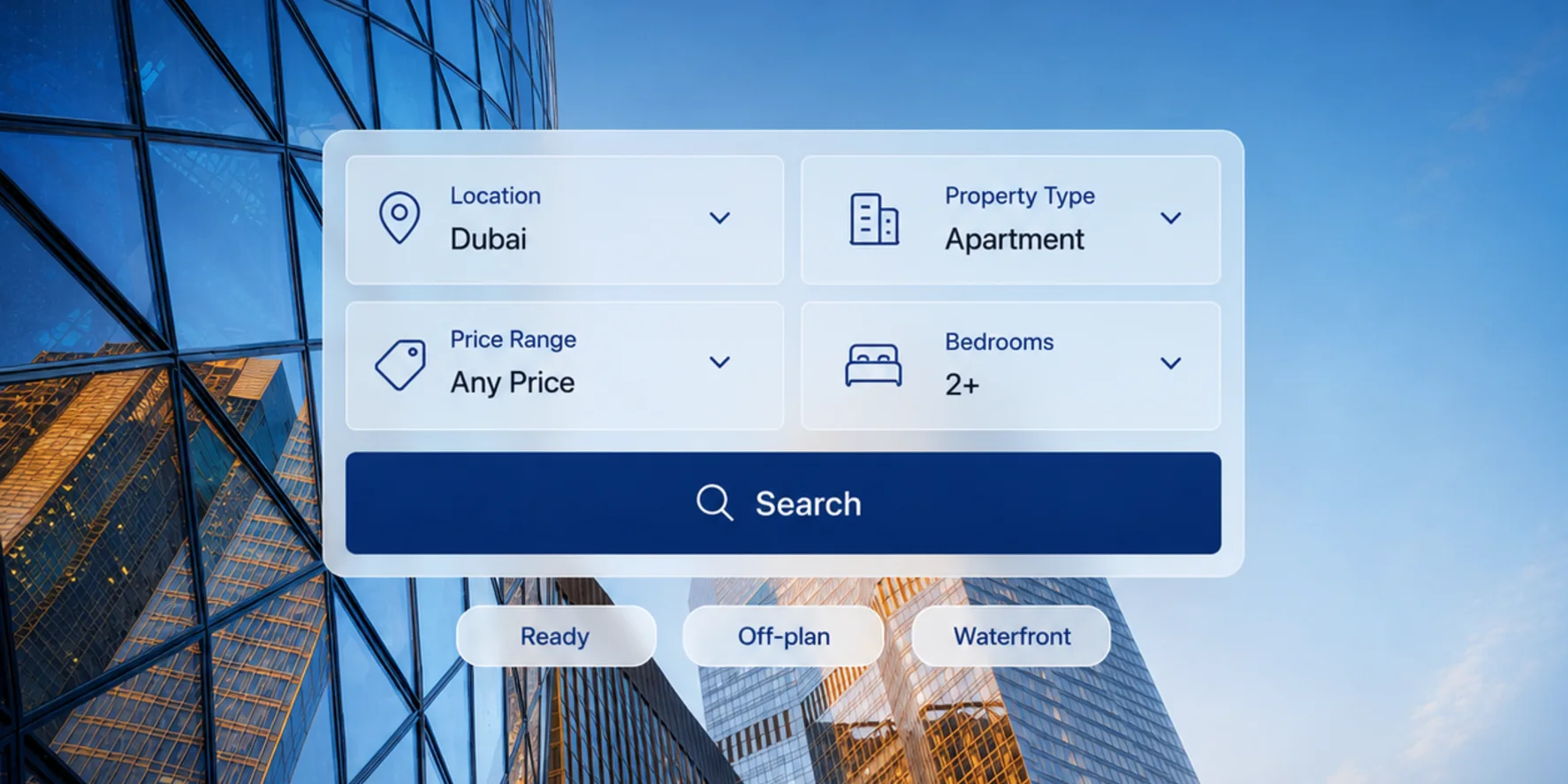
Lead-focused websites, project pages, enquiry flows and credibility signals for high-consideration buyers.

Storefronts, product journeys, campaign funnels, payments, catalogues and post-click conversion paths.

Trust-led service pages, booking flows, privacy-conscious forms and reassuring Arabic-English content.

Menu-led content, booking flows, launch campaigns, social-first creative and conversion-ready landing pages.

Bring the citizen journeys, accessibility requirements and publishing approvals for your entity. We will identify the service information and platform dependencies that need attention first.
We map the highest-impact service first, then remove accessibility, content, integration and operational friction.
Bring the citizen journeys, accessibility requirements and publishing approvals for your entity. We will identify the service information and platform dependencies that need attention first.
A good website has to do three jobs at once: earn trust, explain the offer clearly, and make the next step impossible to miss.
It should explain the organisation’s role and make services, requirements, documents and support routes easy to find. Public guidance should identify the correct application channel and distinguish current information from archives. The structure follows the tasks citizens, businesses and visitors need to complete.
We scope integrations where approved APIs or supported interfaces exist. The responsible system teams define access, authentication and permitted data. We then plan the handoff, error handling and ownership of the connection rather than assuming every public service can be completed on the website.
Yes. We plan RTL and LTR layouts, service templates, navigation and language switching together. Content owners agree how translation and review work so each language provides equivalent, up-to-date service information.
Accessibility is included in interface and content planning, with agreed testing of navigation, text, forms and important tasks. The project defines the requirements and checks to be delivered. Editors also receive guidance because published documents and later content changes affect accessibility.
Yes. CMS roles and review stages can be scoped around your governance model. We identify who creates, approves and maintains each type of service content, along with the process for corrections, archives and scheduled reviews.
We focus on accurate service information, descriptive headings and URLs, internal links, crawlable public content and language consistency. Metadata, canonical tags and sitemaps are checked before release. Authenticated service records remain separate from the public search journey.
The schedule depends on service and content volume, languages, approval stages, accessibility requirements, integrations and migration work. Discovery establishes the dependencies and responsibilities before we provide a scoped plan and estimate.
Support can include monitoring, backups, controlled releases and agreed integration checks. Content and service owners retain responsibility for published requirements. Response expectations and escalation routes are documented in the support scope.
Send us the brief. We will reply with the right scope, next step, and timeline within one business day.
Your brief is in. We will reply within one business day. If it is urgent, reach us on WhatsApp.
WhatsApp us