Property knowledge assistants
Where useful, answer project questions from approved information and escalate to a person when the data is missing. Define content ownership, access controls and qualification rules before introducing automation.
Element8 designs and develops real estate websites for property developers, brokerages and investment teams serving Saudi Arabia. Connect Arabic and English project content, property discovery and qualified enquiries with the sales systems your team already uses.
Present the developer, communities and individual projects through a consistent content structure. Give each development an indexable page for its location, approved project status, property types, floor plans, amenities and enquiry options. Editors can update shared information without rebuilding each campaign page.
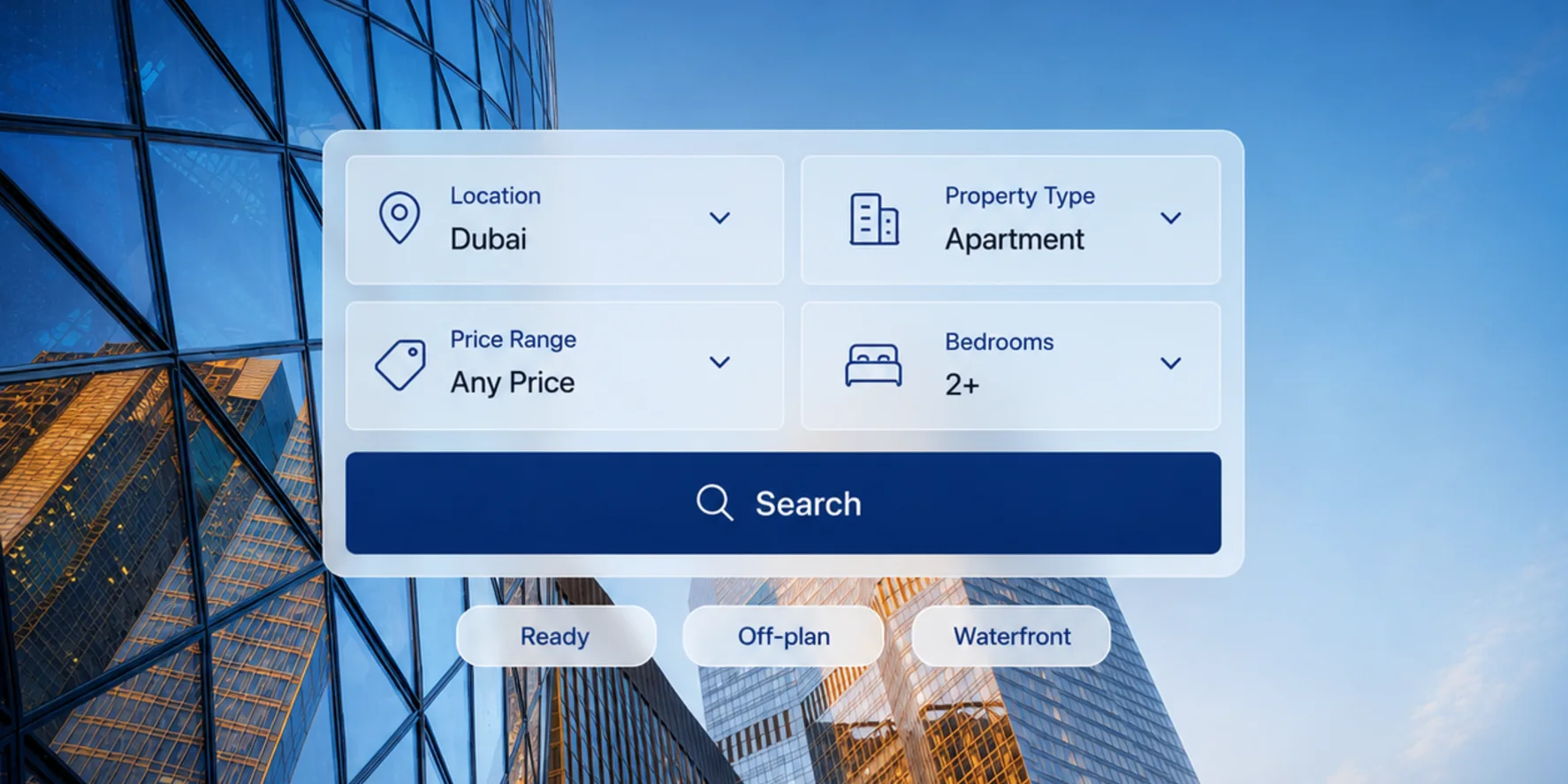
Help visitors narrow the catalogue by location, property type, budget and other relevant criteria. Connect map browsing with readable listing pages, comparison or shortlists where required. Plan how inventory enters the platform, who maintains it and how sold, reserved or unavailable units are handled.
Connect enquiry forms to your existing CRM through supported APIs or middleware. Capture project interest and campaign source, map fields to the sales process, prevent duplicate submissions and define routing rules. Test what happens when an integration fails so a genuine enquiry can still reach the team.
Design both language journeys together, including right-to-left layouts, Arabic typography, menus, search filters, forms and downloadable documents. Use equivalent project information in each language with clear editorial ownership. Localisation should make a property easier to understand and enquire about on a mobile phone.
Build descriptive project URLs, relevant headings, internal links and crawlable content around approved property information. Decide which location and filter pages have useful standalone content and which should remain outside the index. Review canonical tags, sitemaps, redirects and image delivery before launching or migrating.
Agree who owns availability, project updates and brochure changes after launch. Monitor forms and integrations, maintain backups and controlled releases, and review mobile performance. Measure meaningful enquiries, viewing requests and contact actions alongside campaign sources so sales and marketing can discuss the same journey.
A property website has to help people judge a location, understand a development and decide whether to speak to your team. Buyers researching a home need floor plans, amenities, current availability and a clear viewing process. Investors need approved project information and an understandable route to the right sales contact. Brokers need reliable inventory and consistent enquiries they can follow up.
We plan the website around those tasks before choosing the technology. For developers and agencies serving Riyadh, Jeddah and other Saudi markets, that means a structured project catalogue, usable Arabic and English journeys, mobile-first property pages and clear ownership of every content update. A corporate developer website, a single-project launch site and a property-search portal need different scopes; we define those differences during discovery.
Storytelling, verified data, inventory, CRM and follow-through work as one system.
A connected property-marketing platform that strengthens the brand, improves lead quality and gives sales teams cleaner, faster data.
A single-project website may need a straightforward CMS and enquiry forms. A multi-development platform may need structured inventory, search and several sales integrations. We assess publishing roles, traffic, data sources and support requirements before recommending WordPress, a headless build or an enterprise CMS.
Organise corporate, community and project content with reusable templates, editorial permissions and bilingual publishing. Choose a CMS that fits the people maintaining the portfolio.
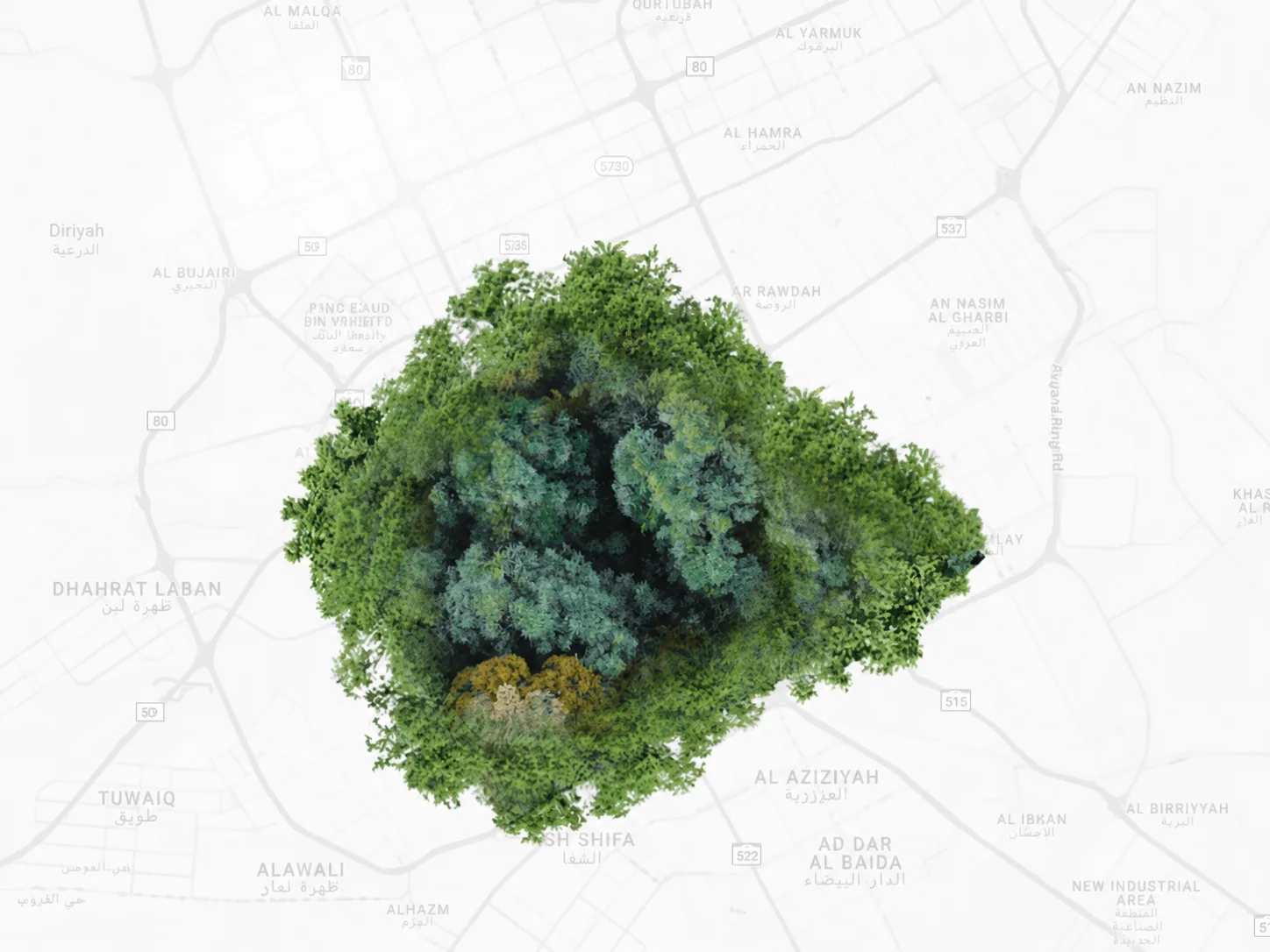
Connect property records, filter logic, maps and availability where the data supports them. Establish a source of truth and an update process before presenting inventory as live.
Map website enquiries to supported CRM fields and routing rules. Integration scope depends on available APIs, authentication, data ownership and the sales process your team uses.
Consider an app when repeat users or sales teams need frequent access to inventory, appointments, documents or service requests. Define the ongoing task before selecting a mobile build.
Where useful, answer project questions from approved information and escalate to a person when the data is missing. Define content ownership, access controls and qualification rules before introducing automation.
The same catalogue can support several audiences without making every visitor follow the same path. We define the information, enquiry fields and next action for each audience during UX planning.
Make everyday decisions easier: location, layout, amenities, transport context, available property types and how to arrange a viewing. Keep essential information readable on mobile, with a clear contact route when a visitor needs a specific answer.
Provide approved development information, project documents and a route to discuss investment requirements. Give commercial statements an owner and review process. Avoid presenting unverified returns, outdated availability or indicative prices as confirmed offers.
Support consistent project information, ownership of incoming leads and useful sales context. An enquiry should identify the relevant development, buyer requirements and source where available, with a documented follow-up process and an escalation route for delivery failures.
Offer clear language switching, usable RTL and LTR layouts and consistent project terminology. Keep contact options, forms and brochures aligned with the selected language. Plan translations and review dates so one language does not fall behind the other.
Trusted by leading brands — 900+ projects since 2010


Property platforms need portfolio architecture, regulated content, campaign speed, lead qualification, sales automation and operational visibility.
KSA-readyBuilt around Riyadh buyers, Arabic/English journeys, and local business expectations.
Full stackStrategy, UX, design, content, development, tracking, and post-launch support in one workflow.
Ad friendlyPages are structured for search intent, fast load, message match and clear lead capture.
No lock-inYou own the design, code, accounts, content, and source files after launch.
16+ years in the region.A long-running digital, brand, web, app and marketing team with KSA and GCC delivery experience.
One accountable team.Strategy, creative, UX, build, launch and reporting stay connected instead of being split across vendors.
Real estate SEO starts with useful project information and a website search engines can access. We connect the content structure with the enquiry process, rather than treating search traffic and sales follow-up as separate projects.
Give each important development a unique page explaining its location, property types, amenities, approved status and next step. Add readable supporting text alongside imagery, floor plans and downloadable brochures. Avoid reusing the same description across every development or relying on an image to carry essential information.
Property portals can generate many combinations of location, price and features. We identify useful landing pages and review how the remaining filters are linked, crawled and canonicalised. The aim is to make valuable pages discoverable while keeping duplicate or empty search results out of the main search journey.
Use consistent English and Arabic URL structures, language annotations and navigation where both languages exist. When replacing a website, map old project URLs to the closest relevant new page, retain useful content and review redirects and sitemaps. Check that important property pages remain accessible after launch.
Use relevant form fields, clear confirmation messages and campaign attribution where supported. Connect viewing requests, brochure enquiries and WhatsApp contact actions to an agreed reporting plan. Verify the website-to-CRM path with test submissions and confirm which events represent useful enquiries rather than assuming every click is a lead.
Explore our Saudi SEO services and CRM integration services.
The scope follows your portfolio, content readiness and integrations. Each stage produces decisions and checks that the property, marketing and sales teams can review.
Review existing project content, audience questions, property data, languages and the current enquiry journey. Define the information architecture, integration responsibilities and migration requirements. Agree the website scope and how a qualified enquiry will be recognised before design begins.
Create project, listing and contact templates for desktop and mobile. Plan Arabic and English layouts together, then review search, comparison and viewing-request flows with the team. Confirm which information must appear before a visitor can make an informed enquiry.
Build the CMS content model, templates, forms and agreed integrations. Give editors appropriate access and connect inventory or CRM data through supported interfaces. Include validation, logging and fallback handling so the platform can be maintained after its launch campaign.
Check real devices, language layouts, links, images, redirects, metadata and indexation settings. Submit test enquiries through to the destination system and document publishing responsibilities. After launch, review delivery issues, content accuracy and the important buyer journeys with your team.
Explore the websites, platforms and digital experiences we have delivered for this sector.
Property decisions are visual, emotional and information-heavy. We build fast journeys that help buyers explore developments, verify value and move from interest to a qualified enquiry — with attribution and CRM context the sales desk can act on.

Authority-first systems with Arabic-English clarity, governance, approvals and public trust signals.

Lead-focused websites, project pages, enquiry flows and credibility signals for high-consideration buyers.

Storefronts, product journeys, campaign funnels, payments, catalogues and post-click conversion paths.

Trust-led service pages, booking flows, privacy-conscious forms and reassuring Arabic-English content.

Menu-led content, booking flows, launch campaigns, social-first creative and conversion-ready landing pages.

Bring project information, available property data and the sales routing process. We will assess how discovery, comparison and enquiry follow-up should connect.
We connect campaign, discovery, qualification and CRM routing into one measurable journey.
Bring project information, available property data and the sales routing process. We will assess how discovery, comparison and enquiry follow-up should connect.
A good website has to do three jobs at once: earn trust, explain the offer clearly, and make the next step impossible to miss.
A developer website should explain the company, communities and individual projects with clear location, property-type, floor-plan and amenity information. Include approved project status, relevant documents and contact or viewing-request options. The content model should make updates manageable as developments change, rather than treating each project as an unrelated brochure.
Yes. We scope search, map views and filters around the property data you can maintain or supply through an integration. During discovery we agree the fields, update frequency and rules for sold or unavailable listings. Important project pages remain readable and linkable alongside the interactive search experience.
We can connect forms and enquiry workflows where your CRM provides supported APIs, webhooks or middleware. We first review authentication, field mapping, lead ownership, duplication and routing requirements. Test submissions verify the destination and source context, and the scope includes how errors are reported and handled.
Yes. We plan English and Arabic content, RTL and LTR layouts, language navigation, forms and project templates together. Translation and editorial review responsibilities are agreed during the project. Equivalent information and regular updates in both languages are as important as the visual layout.
We start with the information buyers need and the pages your portfolio can support. The work covers project content, descriptive URLs, headings, internal links, language annotations where applicable, crawl access, canonical tags and sitemaps. For portals, we also review filtered URLs and duplicate results. Search performance is evaluated after launch without promising a ranking position.
The choice depends on the number of developments, languages, editing roles, inventory sources and integrations. A project marketing site may fit WordPress, while a larger portfolio may benefit from a headless architecture or enterprise CMS. We assess the publishing and support requirements before recommending a platform.
The main factors are the number of templates and projects, content and translation readiness, property-search requirements, integrations and migration scope. Discovery establishes the deliverables, dependencies and approval process. We provide a scoped estimate and delivery plan once those details are clear instead of quoting a generic duration for every build.
Yes, ongoing support can cover technical updates, monitoring, backups, releases and agreed integration checks. We also define who owns prices, availability, brochures and project status. Support responsibilities, response expectations and reporting are agreed in the service scope so the website remains accurate and operable.
Send us the brief. We will reply with the right scope, next step, and timeline within one business day.
Your brief is in. We will reply within one business day. If it is urgent, reach us on WhatsApp.
WhatsApp us