
Private enterprise AI
Secure search across proposals, policies and knowledge.
Knowledge retrievalProposalsPrivate
Element8 designs B2B and professional-service websites for Saudi businesses. Make complex services easier to understand, give buyers relevant project evidence and connect qualified enquiries with the team responsible for the next conversation.
Explain each service through a clear scope, intended audience, delivery approach and appropriate next step. Use specific language the buyer can evaluate rather than generic claims of excellence. Give service owners a consistent template for maintaining the information as the offer changes.
Organise capabilities, insights and team information around the subjects your business can support. Distinguish factual expertise from unsupported claims. Editorial workflows should make it possible to review and update content without turning every publication into a new design project.
Present approved project scope, the client context and what was delivered. Link relevant examples from the services they support. Attribute outcome claims to available evidence and avoid assigning a generic portfolio project to an unrelated service just to fill a page.
Agree which information helps the sales team assess a brief, then connect supported form and CRM interfaces. Map source context and routing rules, test confirmation and define failure handling. An enquiry should reach the right team without forcing every visitor through the same lengthy form.
Plan equivalent service information, clear terminology and usable RTL layouts alongside the English experience. Review documents and forms in both languages. Define translation and approval responsibilities so changing service scope remains consistent across the website.
Build useful service and expertise pages with descriptive URLs, relevant headings and internal links to documented proof. Check metadata, redirects and crawl access. Maintain enquiry delivery, content accuracy and controlled technical releases through clear publishing and support ownership.
A B2B buyer may need to assess a provider long before sending an enquiry. They want to understand the service, who it is for, how delivery works and what evidence supports the claims. Different stakeholders may review the same website for commercial, technical or procurement reasons, so useful information cannot depend on one generic sales message.
We structure consulting and professional-service websites around the actual offer, buyer questions and sales process. Arabic and English content, project examples, useful documents and appropriate enquiry fields work together. The platform choice follows publishing roles and integration needs, with ownership for maintaining service information and proof after launch.
They support reputation, governance, investor confidence, sales and continuity together.

A more authoritative digital presence that communicates value faster and creates a cleaner path from research to qualified conversation.

CMS, CRM, automation and operations follow governance, sales cycles and disclosure needs.
Service architecture, sector journeys and case-led proof.
Enterprise multi-site publishing, approvals and personalisation.
Results, reports, governance, alerts and shareholder content.
Qualification, attribution, nurture and pipeline visibility.
Secure search across proposals, policies and knowledge.
Business buyers rarely make the whole decision alone. We make the website useful for the commercial, technical and operational people involved.
Explain the service scope, audience and approach with relevant evidence. Give readers a clear next step when they need a proposal or discovery conversation. The page should help them assess suitability before they fill in a form.
Provide approved capability information, project scope and useful documents. Identify the correct route for qualification or technical questions. Keep claims specific enough to review without publishing private client or operating information.
Explain the collaboration or referral route separately from a general sales enquiry where required. Define the information your team needs and who responds. A partner form should not imply a contractual approval that happens later in the process.
Give editors clear ownership of services, team profiles, insights and project examples. Connect enquiries with the actual sales workflow and review what context arrives. The ongoing publishing model is part of the website’s commercial operation.
Trusted by leading brands — 900+ projects since 2010



























Complex organisations need clear positioning, enterprise CMS options, disclosure readiness, sales enablement, private knowledge automation and business-critical operations.
 KSA-readyBuilt around Riyadh buyers, Arabic/English journeys, and local business expectations.
 Full stackStrategy, UX, design, content, development, tracking, and post-launch support in one workflow.
 Ad friendlyPages are structured for search intent, fast load, message match and clear lead capture.
 No lock-inYou own the design, code, accounts, content, and source files after launch.
 16+ years in the region.A long-running digital, brand, web, app and marketing team with KSA and GCC delivery experience.
 One accountable team.Strategy, creative, UX, build, launch and reporting stay connected instead of being split across vendors.
Useful service information and credible evidence support longer B2B buying decisions. We connect that content with an enquiry process the sales team can act on.
Explain what the service includes, which problems it addresses and how a project begins. Use headings that reflect real buyer questions. Avoid copying the same broad company paragraph across unrelated offerings.
Link approved case studies and relevant capability material to the services they support. State the delivered scope accurately. A project example should help a buyer evaluate experience rather than stand in for an unverified promise about future results.
Agree form fields, source attribution where supported and enquiry ownership. Test delivery, duplicate handling and confirmation messages. The website should preserve the buyer’s stated requirement without collecting information the initial sales process does not need.
Plan descriptive service URLs, relevant internal links and consistent Arabic and English content. Review canonical tags, redirects and sitemaps. Assign owners and review dates to important service material so search visitors encounter an offer the business still provides.
Delivery starts with the service catalogue, approved evidence and enquiry workflow. We scope the content and technical dependencies before selecting the platform.
Review services, target audiences, buyer questions and available project evidence. Identify language requirements and the sales systems involved. Agree the enquiry model and content approval responsibilities before designing the pages.
Create service, case-study and contact templates that answer the important buyer questions. Review mobile and Arabic layouts, supporting documents and form requirements. Confirm that the next step reflects the actual proposal or discovery process.
Implement CMS roles, reusable content types and supported CRM interfaces. Define routing, validation and failure handling with the destination team. Document how services, insights and project references are maintained after launch.
Check content approval, links, metadata, redirects and language consistency. Submit test enquiries through to the sales destination. Confirm publishing and support ownership before release, then use received briefs and feedback to review the journey.
Explore the websites, platforms and digital experiences we have delivered for this sector.





B2B buyers need confidence before they make contact. We turn expertise, sector knowledge and delivery proof into a structured journey that helps the right prospects self-qualify — and connects every enquiry to your pipeline.

Authority-first systems with Arabic-English clarity, governance, approvals and public trust signals.
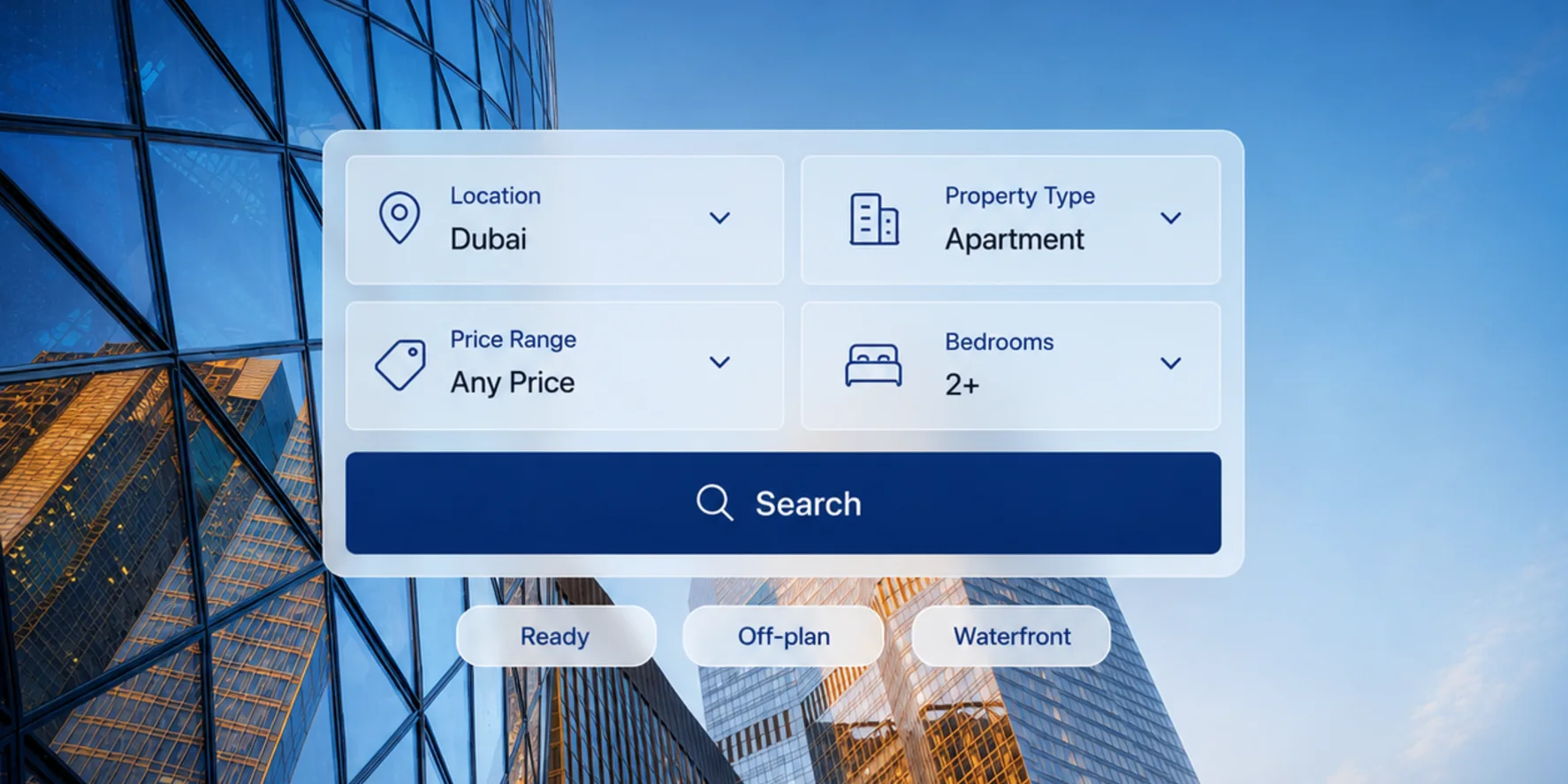
Lead-focused websites, project pages, enquiry flows and credibility signals for high-consideration buyers.

Storefronts, product journeys, campaign funnels, payments, catalogues and post-click conversion paths.

Trust-led service pages, booking flows, privacy-conscious forms and reassuring Arabic-English content.

Menu-led content, booking flows, launch campaigns, social-first creative and conversion-ready landing pages.

Authority-focused pages, case proof, qualified enquiry paths and service messaging for complex decisions.
Results, listings, campaigns and incidents create traffic and reputational pressure. We engineer for those moments.
Show us the services buyers compare and the evidence your advisers use to build trust. The scope should connect expertise, project proof and qualified enquiries.
A good website has to do three jobs at once: earn trust, explain the offer clearly, and make the next step impossible to miss.
It should explain the services, intended customers, delivery approach and useful evidence, with clear contact routes. Consulting and specialist businesses may also need expertise content and approved capability documents. The structure follows your actual offer and buying process.
Yes, where supported APIs or middleware exist. We agree fields, enquiry ownership, source context and routing with the sales team. Test submissions verify the destination and failure handling before the website receives campaign traffic.
We structure approved project context, delivery scope and supporting evidence around the questions prospective buyers ask. Relevant examples are linked from the services they support. Outcome claims are included only where your team can substantiate them.
Yes. Service terminology, RTL and LTR layouts, language navigation and forms are planned together. Your content owners define translation and review responsibilities so both languages accurately describe the current offering.
The choice depends on service and content volume, languages, editor roles, integrations and support requirements. A manageable publishing workflow matters more than choosing a platform by name alone. Discovery establishes the needs before we recommend an approach.
We focus on useful service and expertise content, clear headings and URLs, relevant internal links and documented project proof. Metadata, canonical tags, crawl access and redirects are reviewed before release. Search performance is measured after launch without promising ranking positions.
Service and template count, content readiness, languages, case-study approvals, CRM requirements and migration work determine scope. Discovery identifies those dependencies before we provide an estimate and delivery plan.
Support can include technical updates, backups, monitoring and agreed integration checks. Your team maintains the approved services, profiles and project evidence. Response expectations and publishing responsibilities are documented in the support scope.
Send us the brief. We will reply with the right scope, next step, and timeline within one business day.
Your brief is in. We will reply within one business day. If it is urgent, reach us on WhatsApp.
WhatsApp us