Energy websites built for complex stakeholders
An energy company website has to serve people with very different questions. A procurement manager needs capability and qualification information. An investor wants current disclosures. A supplier needs the correct registration route. A job applicant needs an authentic vacancy and a clear application process. Element8 plans those journeys separately, then connects them through a consistent Arabic and English experience. The brief starts with the information each audience needs and the team responsible for keeping it accurate. This keeps the website useful as projects, locations and operating priorities change. Success is assessed through completed tasks and reliable publishing, rather than visual impact alone.
Oil and gas: explain capability without obscuring the detail
Oil and gas companies often need to present complex services, facilities and project experience to specialist buyers. We structure capability pages around what the organization actually delivers, the locations it serves and the technical documents it can publish. Project pages can explain delivery scope, equipment and operational context without exposing commercially sensitive information. HSE and qualification material needs version control and a named content owner. Supplier and recruitment journeys should have clear destinations instead of sending every enquiry to one general inbox. These decisions help visitors find relevant evidence while giving the internal team a manageable publishing structure.
Renewables: make projects and progress understandable
Renewable energy organizations need to communicate project development, technology choices and stakeholder responsibilities. A solar or wind project page can distinguish its development phase, location and published capacity, with dates attached to changing information. We plan reusable project templates so editors can update progress without rebuilding the page. Community information, partner enquiries and recruitment require their own paths. Any environmental claim should have an attributable source and approval from the responsible team. Interactive maps or visuals are useful when they clarify a project, but the essential information should remain accessible as text on ordinary mobile connections.
Utilities: prioritize service information and clear contact routes
Utilities may serve customers, contractors and institutional stakeholders through the same public website. We separate service guidance from corporate information so visitors can find the right task quickly. Public notices should identify their date, applicable location and next action. If account access or a service portal exists, the website should explain that handoff clearly rather than implying that a public form completes an operational request. Accessibility, readable Arabic typography and reliable mobile navigation are central to these journeys. Integrations are scoped with the utility’s system owners, including what happens when a connected service is unavailable.
Vision 2030 energy organizations and Saudi context
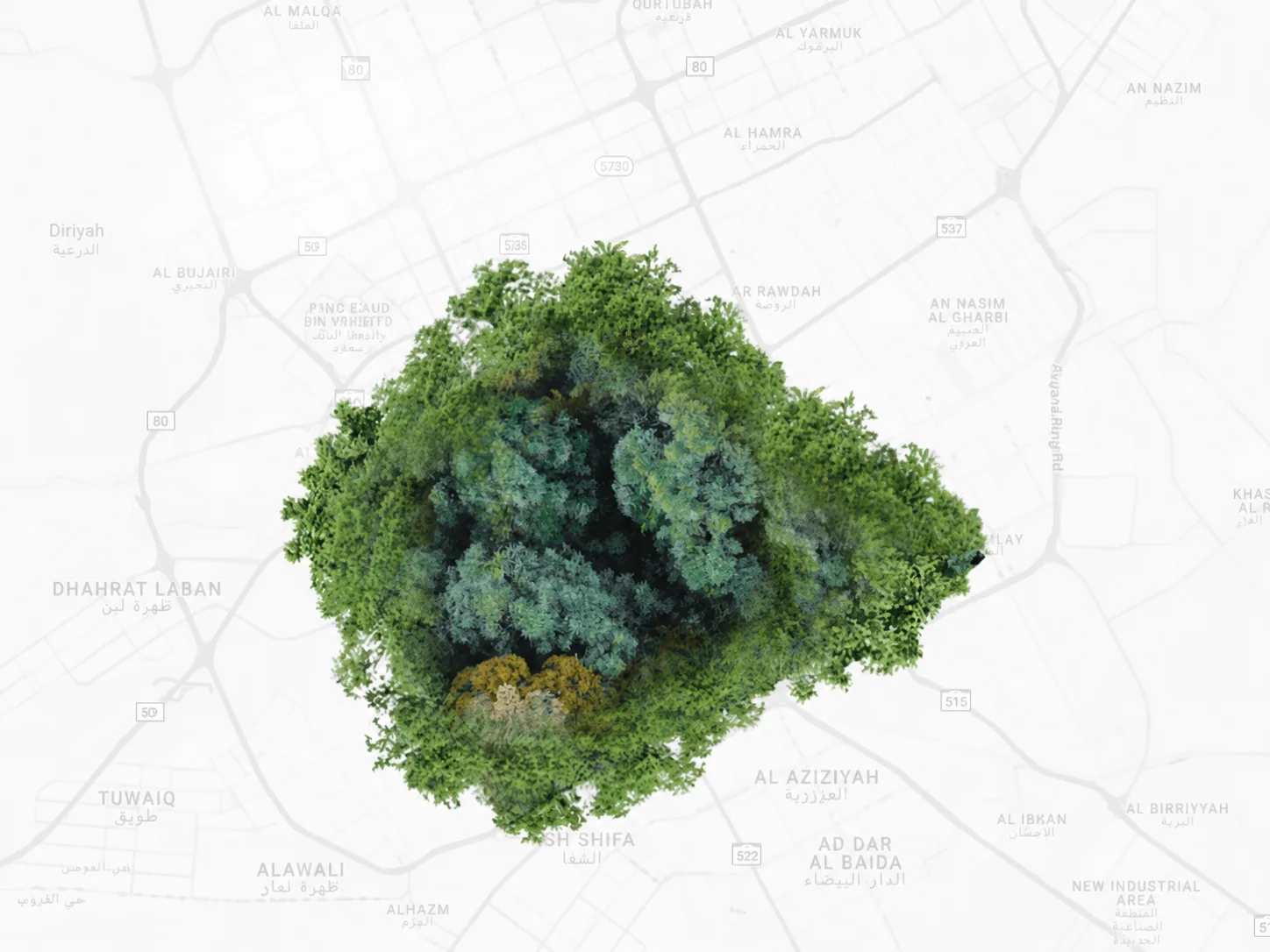
Saudi energy content needs context that is relevant and verifiable. The Vision 2030 2024 annual report describes a target of generating 50% of electricity from renewable sources by 2030. This is a national target, not a claim about an individual company’s progress. We help organizations distinguish national context from their own published commitments, project evidence and responsibilities. For companies working within wider development programs, content can explain their role without implying an official affiliation that has not been established. Dated source links, project owners and regular review cycles make the information easier to maintain and more credible for readers.
Source: Vision 2030 annual report 2024.
Investor relations, environmental reporting and HSE content
Investor information should be organized by reporting period and document type, with approved disclosures easy to locate. Environmental reporting needs dates, scope and sources so readers can distinguish a commitment from a measured result. HSE pages should explain the organization’s published policies and provide the appropriate contact routes. Element8 builds the information structure and publishing controls around those requirements; legal, financial and safety teams remain responsible for approving the substance. Accessible documents and clear summaries improve usability without changing the authoritative record. A scheduled review process helps prevent old policies or expired certificates from appearing current.
Project portals and business-system integrations
A public project showcase and an authenticated project portal serve different purposes. The showcase explains approved work to external audiences. A portal may expose documents, milestones or collaboration tools to authorized participants. We scope access roles, audit needs and data boundaries before connecting systems. Integration work includes record ownership, synchronization behavior and visible handling of failures. A website enquiry can be delivered to a CRM or project team with its original context preserved. Operational systems should remain the source of truth for their records, and the public site should not publish private project information by accident.
Arabic-first content, hosting and security planning
Arabic content is planned alongside English rather than added as a final translation layer. Navigation, project names, document labels and forms need review by people who understand the intended audience. For field users, mobile layouts should keep critical text readable and avoid heavy interactions that delay a simple task. Hosting decisions depend on the actual data collected, the systems connected and the organization’s approved requirements. We document where content, logs, backups and third-party services process data. A server located in Saudi Arabia does not by itself establish that every connected service keeps data there. Security controls and responsibilities are agreed with the relevant teams.
Energy project reference: Borr Drilling
Element8’s published Borr Drilling case study provides an energy-sector reference for corporate website work. The recorded project scope includes visual design, UX design, frontend development, content strategy and systems integration. Those services are relevant to the challenge of making a specialist company’s work understandable to different audiences. The case study can be reviewed for its documented scope before deciding how closely it matches a new brief. We do not use it to imply a Saudi Aramco engagement or invent a performance result. A new organization’s project structure, stakeholder needs and approval requirements are evaluated independently.
Delivery, publishing ownership and ongoing support
We begin with an audience and content inventory, then agree the page types, integrations and approval responsibilities. Design reviews use representative project and policy content so stakeholders can assess the actual experience. Before launch, the team checks Arabic and English journeys, forms, document access, redirects and essential performance behavior. Editors receive guidance for updating project information and reviewing time-sensitive material. Ongoing support can cover releases, monitoring and agreed content tasks, with responsibilities stated in the scope. After release, enquiry routing and stakeholder task completion provide practical evidence for the next improvement rather than assuming that a new design has solved every problem.
Energy website design: frequently asked questions
01What should an energy company website include?+
Plan service and project information, stakeholder routes, careers, supplier contacts and approved safety material around the audiences served. Each content area needs an owner and review schedule.
02How do you handle compliance content?+
We provide publishing structures, permissions and document organization. Your legal, safety and compliance teams define and approve the requirements; the website does not replace their review.
03Can the website and its data be hosted in Saudi Arabia?+
We assess the hosting provider, backups, logs and connected services against your approved requirements. Data residency must be confirmed for the complete architecture and the relevant contracts.
04How does Arabic-first UX support field users?+
We review Arabic labels, RTL navigation, readable mobile layouts and lightweight content with the intended users. Field workflows and connection conditions shape what the experience must support.
05Can you integrate project-management systems?+
Yes, subject to the source system’s APIs and permissions. Discovery defines the records to expose, access roles, synchronization rules and the response to a failed connection.
06Can investors and suppliers use different journeys?+
Yes. Separate navigation and enquiry routes help each audience reach relevant documents and teams, while shared templates maintain consistency across the website.
07How is an energy website maintained after launch?+
We agree release procedures, technical support and content responsibilities. Project updates and reporting material should have named owners, approval rules and scheduled reviews.
08What affects the cost and delivery timeline?+
The project scope follows stakeholder routes, project and service content, languages, publishing controls and integrations. Discovery identifies approvals and source-system responsibilities before we provide an estimate and plan. A public corporate website and an authenticated project portal are scoped as distinct requirements.