
Fixed-scope build
Scope one demonstrable interaction with an asset budget and device acceptance criteria. Model preparation and fallback content belong in the estimate.
Fixed budgetLaunch dateClear scope
Real-time 3D websites, product configurators and interactive brand journeys that turn browsing into exploration — engineered to stay fast on real devices.
The right interaction model and performance budget chosen before the build.
Real-time materials, colours, options and pricing customers can explore.
Immersive brand and campaign experiences in modern browsers, no plugins.
High-quality products and environments prepared for smooth web interaction.
Purposeful movement and responsive feedback that guide attention.
Progressive loading and device-aware delivery so 3D performs everywhere.
Turn product details, spaces and brand stories into interactive browser experiences. We balance visual detail with loading speed, accessible alternatives and responsive controls so the experience works beyond the presentation.
Scope one demonstrable interaction with an asset budget and device acceptance criteria. Model preparation and fallback content belong in the estimate. Artists and frontend developers iterate on scenes together while the product owner tests whether the interaction communicates the intended benefit.
Scope one demonstrable interaction with an asset budget and device acceptance criteria. Model preparation and fallback content belong in the estimate.
Artists and frontend developers iterate on scenes together while the product owner tests whether the interaction communicates the intended benefit.
Hand over source scenes, export settings and browser performance checks so your team can update the experience without recreating it.
Profile heavy textures, slow scene initialization and interaction failures before redesigning the visual experience. Optimize the worst bottleneck first.
Interactive 3D is most useful when it helps visitors understand a product, place or process. We design immersive web experiences with a clear user task, practical device support and a path back to the commercial journey.

Artists and frontend developers iterate on scenes together while the product owner tests whether the interaction communicates the intended benefit. Connect product selections and enquiry actions to the existing site without exposing commercial data in scene assets.
 In-house teamNo outsourcing roulette. Strategy, design, engineering and QA sit together — the people who scope your build are the people who ship it.
 We operate what we buildE8 Ops keeps every product monitored, patched and backed up 24/7 — the same operations layer that runs our own platform.
 AI-native from day oneChatbots, RAG search, recommendations and automation are designed into the architecture on private LLMs — not bolted on after launch.
 GCC market understandingArabic interfaces, WPS payroll files, local payment gateways and Saudi integrations handled as first-class requirements.
 Fixed budgets honoredThe number we scope is the number you pay. Change requests are priced transparently — never smuggled into invoices.
 Source code is yoursFull IP transfer, documented repositories and clean handover. You own what you paid for, always.

Storyboard the camera, controls and information hierarchy, including the static experience for visitors who cannot use 3D. Arabic content, RTL behavior and Saudi integration requirements are assessed within the agreed scope.
Data handling mapped to KSA privacy rules across every build.
Connect product selections and enquiry actions to the existing site without exposing commercial data in scene assets. Hosting location, subprocessors and data transfers are reviewed for the selected platform; residency is confirmed through its actual configuration.
Hand over source scenes, export settings and browser performance checks so your team can update the experience without recreating it. The contract defines rights to commissioned code and identifies third-party licenses.
Identify what visitors need to understand through interaction, then share the available 3D models and supported devices. The first decision is whether the experience improves the buying journey. We use that evidence to outline scope, dependencies and budget assumptions.
Storyboard the camera, controls and information hierarchy, including the static experience for visitors who cannot use 3D.
Develop the scene in small playable stages, checking memory use and frame timing on representative mobile hardware.
Connect product selections and enquiry actions to the existing site without exposing commercial data in scene assets.
Release behind a tested fallback, measure loading time and verify that navigation works when graphics acceleration is unavailable.
Review device compatibility and asset weight as models change. Track completed interactions alongside commercial follow-up actions.
Storyboard the camera, controls and information hierarchy, including the static experience for visitors who cannot use 3D. Explore the linked case studies for documented project scope; platform fit is confirmed during discovery.


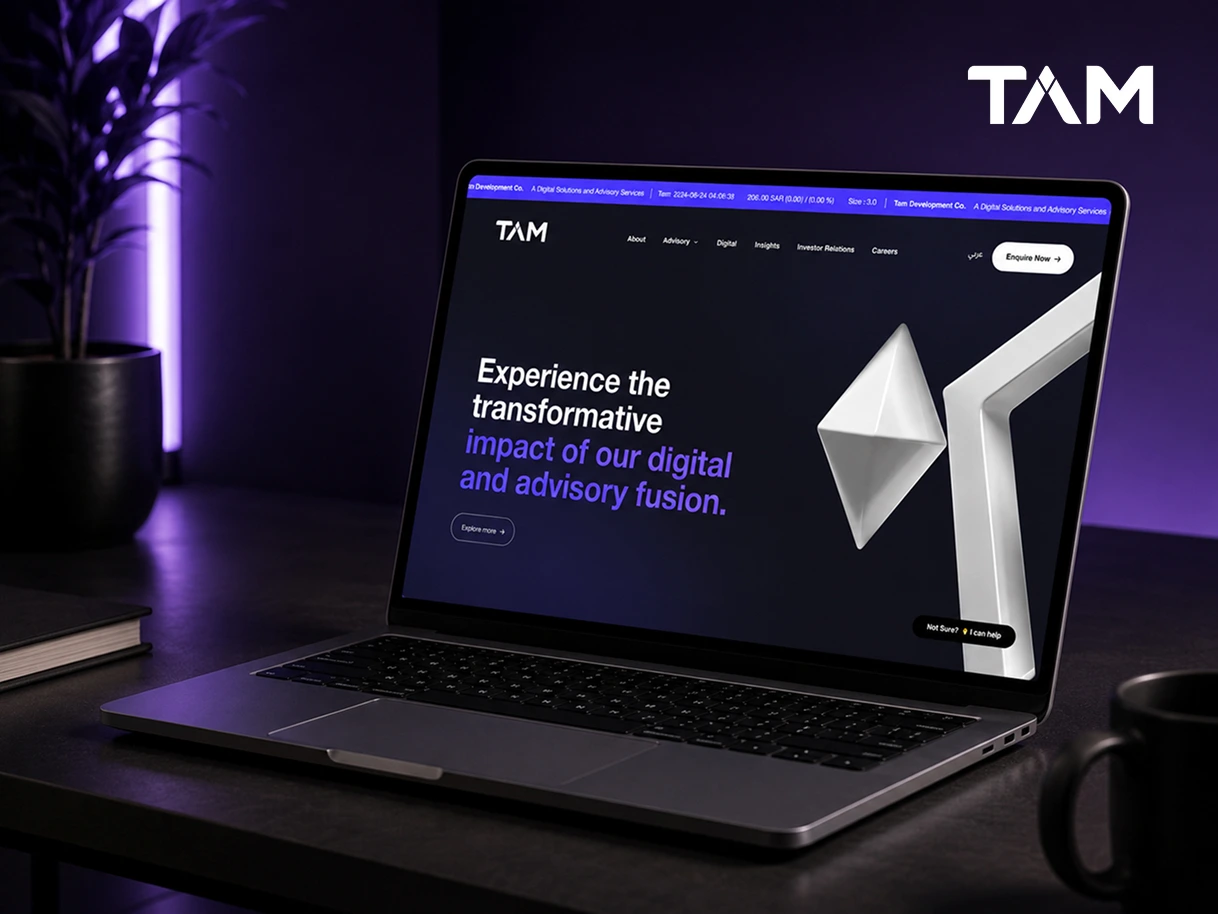
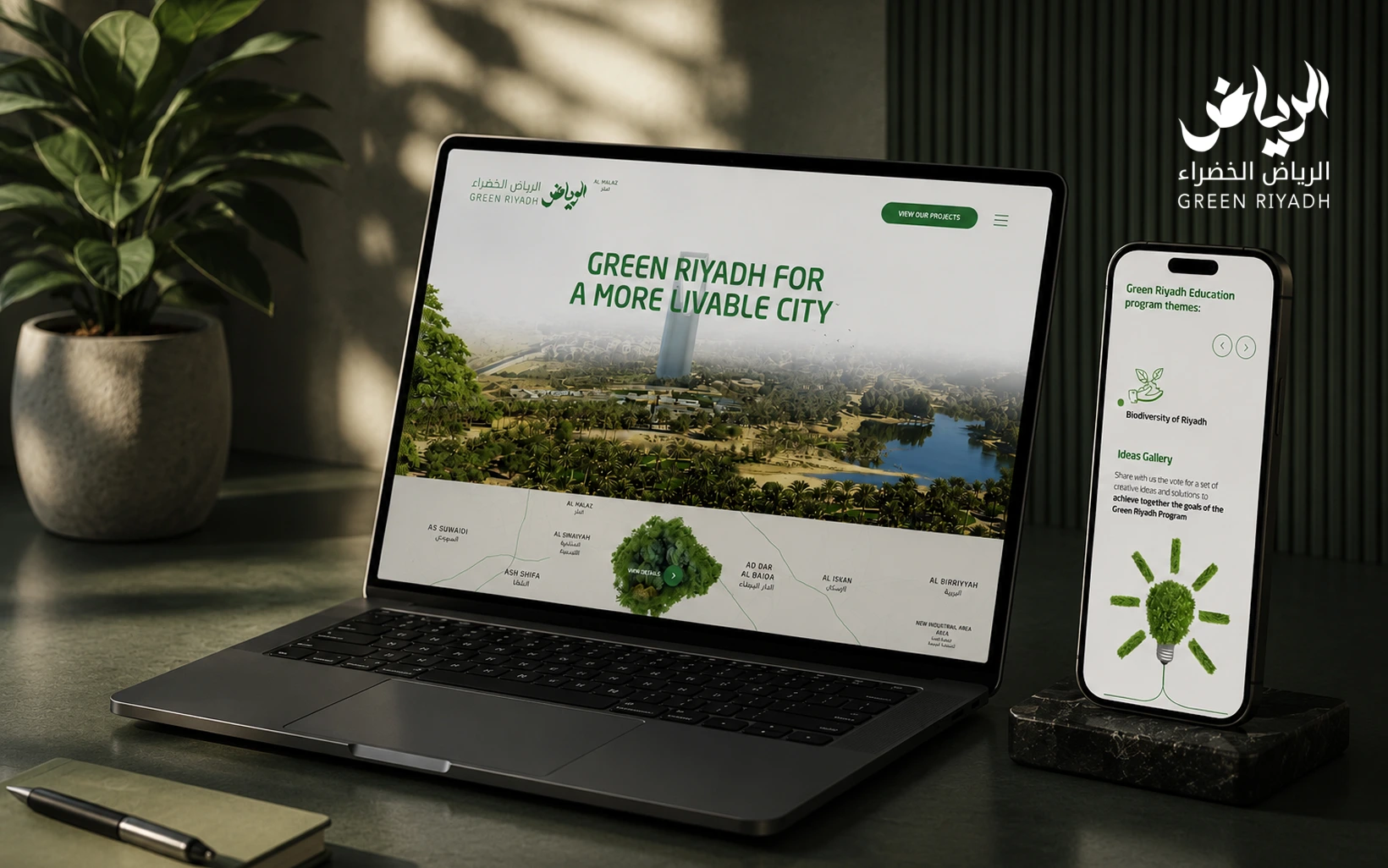

Select a 3D use case that helps the audience judge a space, product or process; device access and asset complexity set practical limits.

Two-sided platforms with RFQs, payments, vendor management and trust systems.

HRMS, payroll, attendance and performance platforms.

Listings, dealer tools and buyer journeys for high-consideration purchases.

Explain spatial or mechanical concepts through interactions that teachers can use without requiring specialist equipment.
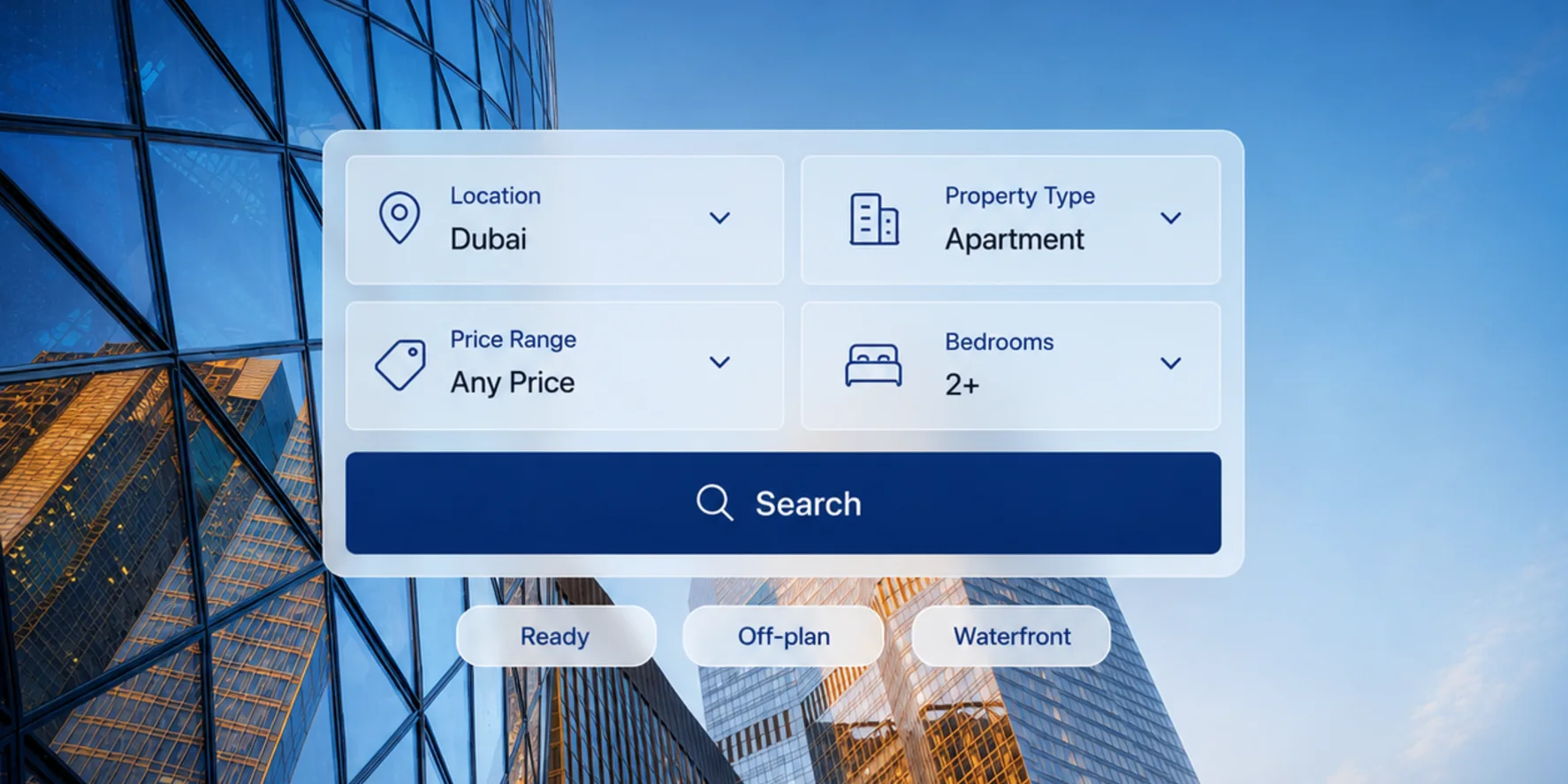
Let prospective buyers explore a property model with clear location and enquiry actions alongside a static alternative.
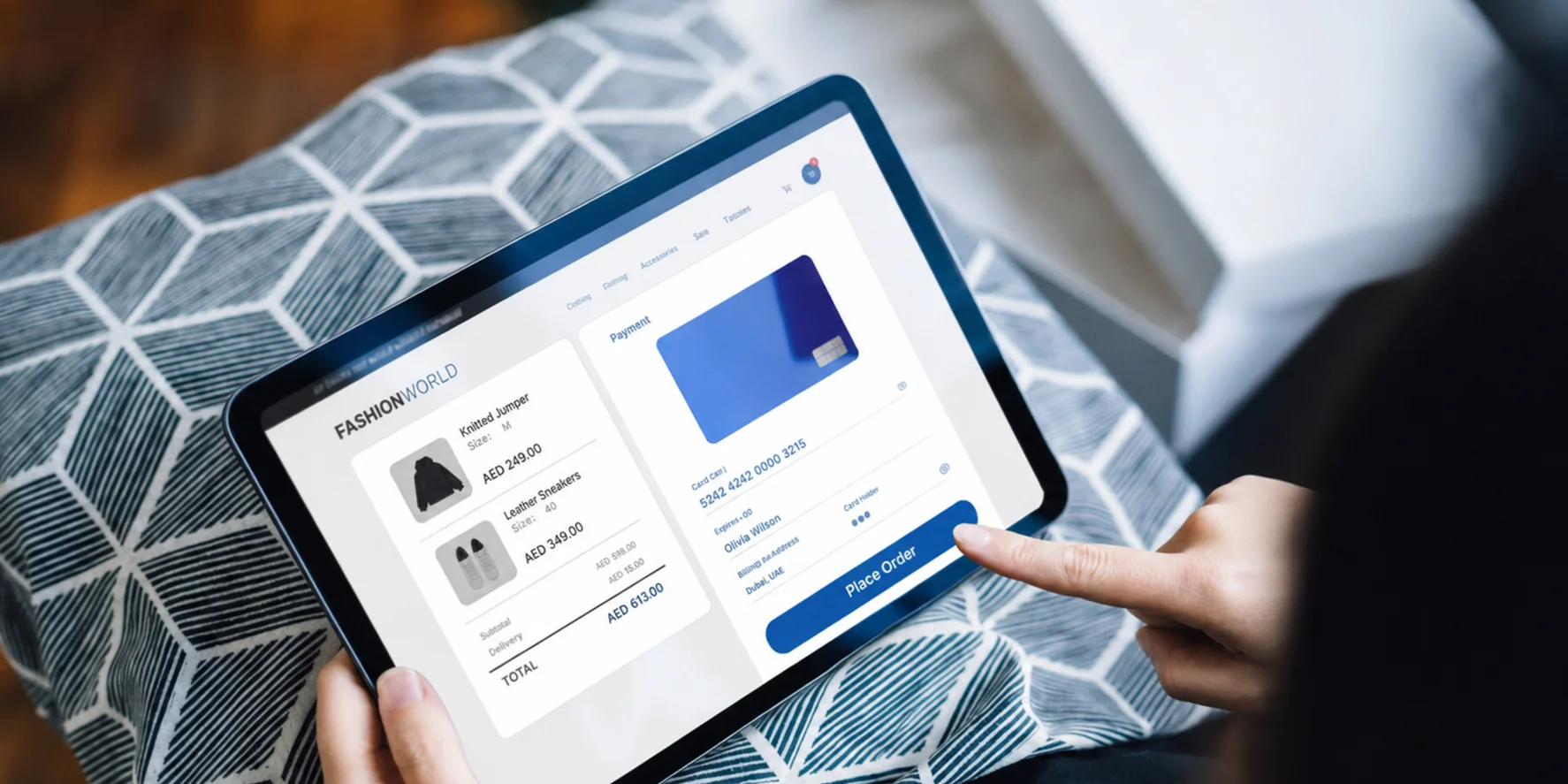
Offer product inspection with proportion, materials and configuration cues before returning visitors to the purchase journey.
Identify what visitors need to understand through interaction, then share the available 3D models and supported devices. The first decision is whether the experience improves the buying journey.
Identify what visitors need to understand through interaction, then share the available 3D models and supported devices. The first decision is whether the experience improves the buying journey. The consultation identifies what is ready to estimate and what needs further discovery.
Review device compatibility and asset weight as models change. Track completed interactions alongside commercial follow-up actions. Storyboard the camera, controls and information hierarchy, including the static experience for visitors who cannot use 3D.
Hand over source scenes, export settings and browser performance checks so your team can update the experience without recreating it. Review device compatibility and asset weight as models change. Track completed interactions alongside commercial follow-up actions.

Storyboard the camera, controls and information hierarchy, including the static experience for visitors who cannot use 3D. Release behind a tested fallback, measure loading time and verify that navigation works when graphics acceleration is unavailable.
Digital transformation is a partnership, not a project.
Real-time 3D in the browser — product configurators, interactive stories and immersive brand journeys.
Yes. Progressive loading and device-aware delivery keep 3D performing across devices.
Yes — real-time materials, colours, options and pricing.
Yes. Performance budgets and optimisation are part of every build.
Identify what visitors need to understand through interaction, then share the available 3D models and supported devices. The first decision is whether the experience improves the buying journey. Include the intended launch window so we can assess dependencies.
Your brief is in. Our product team will reply within one business day, and your plan follows within five working days. If it is urgent, reach us on WhatsApp.
WhatsApp us