How the 90s did it with Car logos
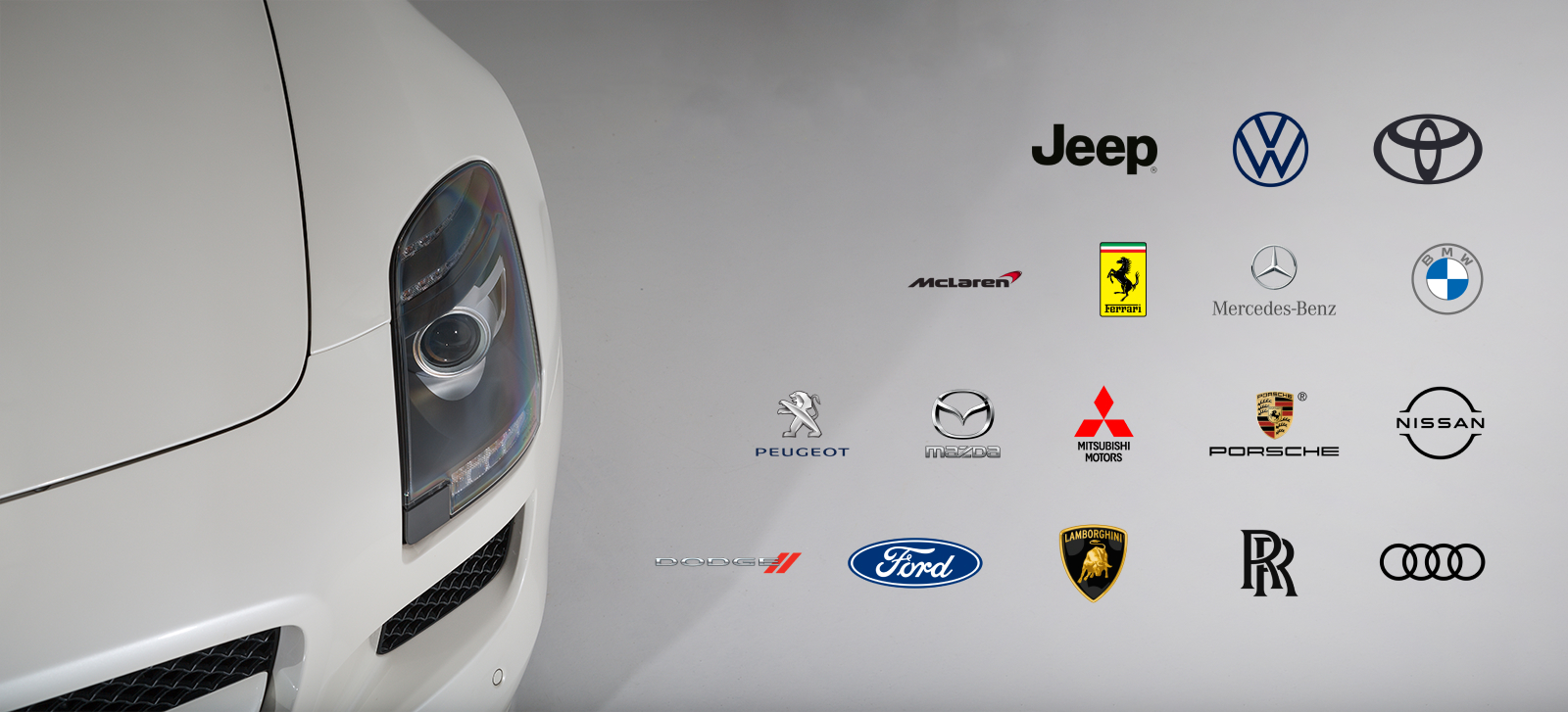
Consider the examples of the Ford car brand logo which has evolved significantly since the company’s inception in 1903. As the design was initially an intricate black and white scripted emblem, Ford adopted the now iconic blue oval in the 1920s. After its redesign, the car logo has maintained the classic appeal and the modern sleekness and simplicity in its design.
The 2023 update is a more flatter, cleaner look which ensures better adaptability in modern digital branding. Another notable car logos that was introduced in 1913 is the Chevrolet’s bowtie emblem, with numerous colours and texture changes. Initially, it was gold and blue and later changed to a more chrome and metallic finish which aligned with its image of power and durability. And now, the bowtie logo showcases Chevrolet’s push towards electrification and digital-first branding.
Analyzing Major Car Logos Redesign and Rebranding
BMW: The Evolution Towards Minimalistic Car Branding
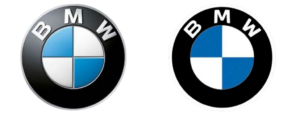
The iconic BMW has long been using the blue-and-white-roundel which symbolizes Bavaria heritage and aviation roots. And in 2020 they remodelled the famous car brand’s logo by removing the black outer ring, with a transparent, two-dimensional look. They have adopted a minimalistic approach to digital audiences which aligns with the automotive industry’s shift towards sustainability and electric vehicles.
Volkswagen: A Digital-First Car Brand Logo
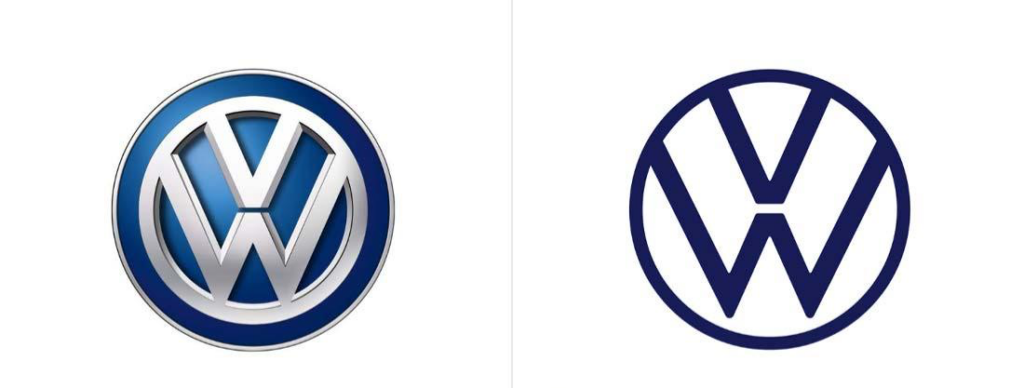
With a flatter, sleeker aesthetics, Volkswagen redid their logo in 2019, by removing the extraneous shadows and gradients. The new logo design which has a clean and monochromatic look gives optimal visibility on screen and highlights the company’s focus on modern branding and electric mobility.
The Evolution of Car Logos: Why Automakers Redesign Their Brand Identity
Car logos represent more than a design, it is a brand’s legacy, innovation and adaptability. Automakers redo their logos to be at the forefront and to be relevant in this modern marketplace. With the help of technological advancements, consumers now prefer sustainability trends and car logos that express this ideology are becoming popular.
Why Do Car Logos Change?
- Technological Innovations & Online Branding
As car manufacturers become part of the digital era, car logos are being redesigned to be more minimalist and expandable digitally as well as physically. The four rings of Audi, originally representative of the 1932 union of four German manufacturers, have been reimagined as a minimalist monochrome look, reflecting modern minimalism while preserving brand heritage. In the same manner, BMW’s 2020 rebranding eliminated the black outer ring and presented a transparent, flat design that is consistent with digital branding and the transition to electric mobility.
- Consumer Preferences for Simplicity
The modern consumer is attracted to clean, contemporary designs that reflect performance and innovation. In 2014, Cadillac dropped the traditional wreath from its crest in favour of a clean, modern emblem that reflects its transition towards high-performance, luxury cars. Likewise, Tesla’s “T” symbol, derived from an electric motor cross-section, reflects efficiency and the company’s progressive vision of sustainable transportation.
- Sustainability and the Rise of Electric Vehicles (EVs)
The transition towards electric mobility has forced producers like Volkswagen, Nissan, and BMW to redefine their logos with a modern appearance that reflects sustainability. Volkswagen’s 2019 redesign smoothed out its emblem, removing gradients and extraneous details to create a more streamlined, adaptable design that emphasizes the company’s emphasis on electrification.
Cultural and Regional Influences on Car Logos
In markets such as the KSA and Saudi Arabia, car branding is equated with heritage and prestige. Luxury car logos like Rolls-Royce and Bentley have complex emblems that represent exclusivity and status. Car logos in the Middle East tend to include gold, black, and silver colours to reflect sophistication, while some global brands incorporate Arabic typography to appeal to local consumers, fusing tradition with modern design.
Car Logo Inspirations: Icons of the Automotive World
Mustang: A Symbol of Speed
The Ford Mustang’s galloping horse represents freedom, power, and high-performance driving. Unlike most emblems, the Mustang logo faces left, symbolizing a break from convention and a spirit of adventure.
Lamborghini: Strength and Prestige
The raging bull emblem reflects Ferruccio Lamborghini’s passion for Spanish bullfighting. The golden bull set against a black background represents power, exclusivity, and high-performance engineering.
Ferrari: Italian Passion and Legacy
Inspired by Italian fighter pilot Francesco Baracca, the prancing horse emblem has become a global icon of speed, luxury, and motorsport heritage. The yellow background honours Modena, Ferrari’s birthplace, while the Italian flag colours reinforce national pride.
By evolving their car logos, automakers maintain brand relevance, reinforce their values, and align with modern design trends, ensuring their visual identity resonates with consumers in an ever-changing industry.
Why You Need a Top Logo Design Company in Saudi Arabia
Perfect logo designs are a necessity for automobile brands that are looking to make a stronger impression in this competitive Saudi marketplace. As luxury, innovation and performance are consumers’ choices, a well-designed logo will make your brand in retrospect. Whether it’s luxury car logos or foreign car brands, a well-structured and attractive design shows the company’s value, heritage and vision.
To remain competitive, brands need to have logo designs that are timeless and versatile. Most foreign automobile brands that venture into the Middle East market include local elements, like Arabic fonts, to appeal to regional consumers. From Rolls-Royce’s high-end crest to Tesla’s simple emblem, every car brand logo has a story to tell.
Collaborating with a top branding firm guarantees that your business attains an iconic and industry-best design. A professional logo design company in Saudi will design a visual identity that captures your brand’s soul while staying aligned with industry standards. Whether rebranding or introducing a new automobile brand, a professionally developed brand identity ensures uniformity on digital and offline channels, making your brand unique in the continuously changing automotive environment.
Element8: The Best Logo Design Company in Saudi Arabia
Element8 is a top-rated branding agency in Saudi Arabia with a knack for custom car brand logos for luxury and foreign car brands. With expertise in Automotive branding, Element8 knows the importance of heritage and modernity in car logos, with custom designs for the luxury market, Elemet8 specializes in high-end logo designs that go with KSA’s luxury car market.
FAQs
- Why do car companies change their logos?
Car companies update their logos to stay relevant in the digital age, align with market trends, and improve brand recognition.
- What makes a great car brand logo?
A great car logo features simplicity, strong symbolism, and adaptability across digital and physical branding.
- How do car brand logos reflect company identity?
Car logos often incorporate historical elements, company values, and unique design choices to establish brand recognition.
- Are minimalist car logos better for digital marketing?
Yes, minimalist logos offer better scalability and visibility, making them ideal for digital marketing and mobile branding.
- How can businesses create a strong automotive logo?
Businesses should work with a top branding agency, like Element8, to ensure a strategic, visually compelling logo design that aligns with market needs.