


AI Search Optimization in 2026: How Saudi Businesses Get Cited by ChatGPT, Perplexity and AI Overviews
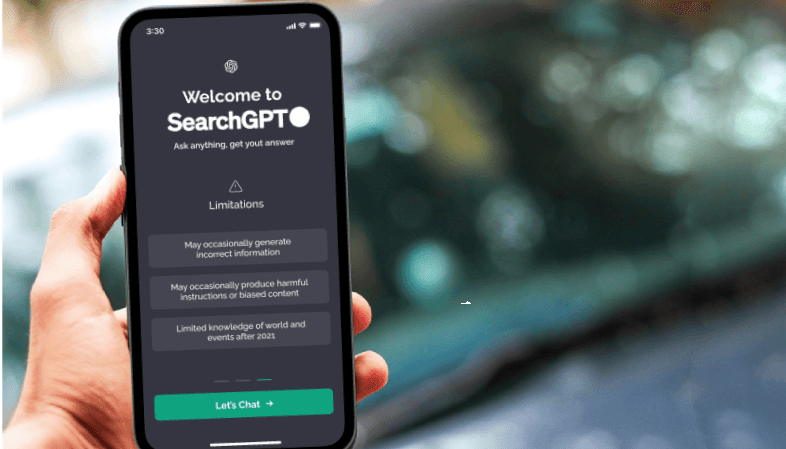
When OpenAI first previewed SearchGPT in mid-2024, we told our clients the same thing we are telling you now: the way people find businesses online is changing faster than at any point in our agency’s history. Two years on, that prediction has become daily reality. A growing share of the Saudi audience no longer starts every search on a classic results page — they ask ChatGPT, scan a Google AI Overview, or query Perplexity, and they act on the answer they get. If your brand is not part of that answer, you are invisible to that buyer.
This guide explains what AI search optimization means in 2026, how AI search engines actually choose which businesses to cite, and the practical steps we take at Element8 to help Saudi companies stay visible when the “search result” is a generated answer rather than ten blue links.
From SearchGPT to ChatGPT Search: How We Got Here
A quick, accurate history helps, because the terminology still confuses people. SearchGPT was a prototype search engine that OpenAI announced in July 2024 and opened to a limited waitlist. It combined a live web index with GPT models and natural language processing to return conversational answers with citations and source links, presented in a clean multi-column interface.
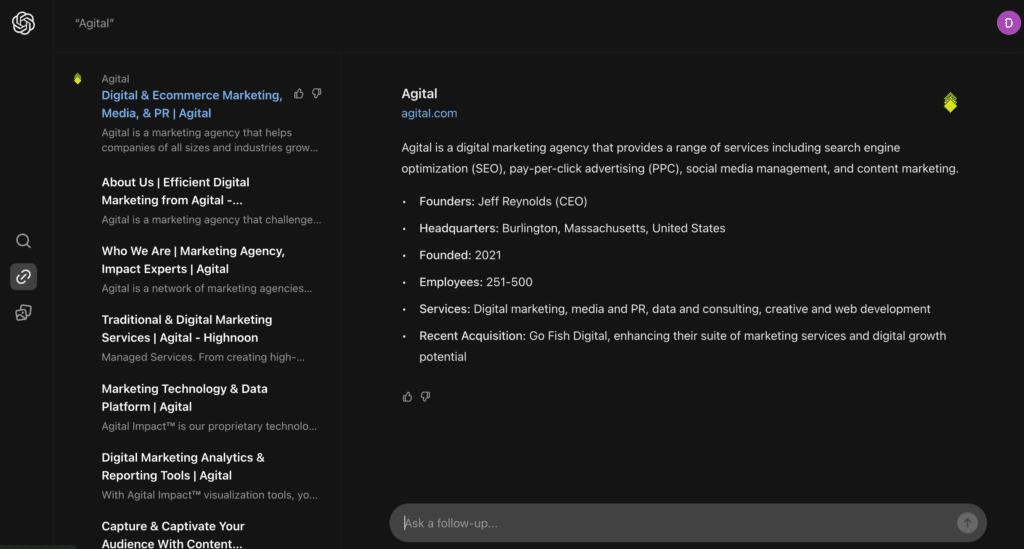
SearchGPT as a standalone product no longer exists. In late 2024, OpenAI folded it into ChatGPT itself as ChatGPT Search, and by early 2025 web-connected answers were available to free users. Around the same time, Google rolled AI Overviews out across more queries and markets — including Saudi Arabia — and added a fully conversational AI Mode, while Perplexity built a loyal audience of researchers and professionals. The prototype era is over; AI-generated answers are now a permanent layer of search.
What Is AI Search Optimization?
AI search optimization — you will also hear it called answer engine optimization (AEO) or generative engine optimization (GEO) — is the practice of making your content, brand and website easy for AI systems to find, understand, trust and cite when they generate answers.
It overlaps with traditional SEO but the goal is different:
- Traditional SEO competes for a ranking position, and success is measured in clicks.
- AI search optimization competes for inclusion in a generated answer, and success is measured in citations, brand mentions and the qualified visits that follow.
The distinction matters commercially. When someone asks an AI assistant “which ecommerce platform should I use for my store in Riyadh?” the answer typically names two or three options with sources. There is no page two. Either the model retrieved and trusted your content, or your competitor gets the mention.
How AI Search Engines Choose Their Sources
AI search tools do not answer from memory alone. For current or commercial queries they run live retrieval: the system searches an underlying web index, pulls a shortlist of pages, and generates an answer grounded in those pages — citing the ones it leaned on. That means the fundamentals of being crawlable, fast and authoritative still decide whether you are even in the shortlist.
Beyond that, patterns have emerged in what gets cited. Early research by Neil Patel’s team into how brands surface in AI answers pointed to factors we still see holding up in our own client work in 2026:
- Brand mentions across the web. Models associate entities with topics. A brand that is consistently mentioned alongside “web development” or “ecommerce” in articles, directories and press is more likely to be recommended for those topics.
- Reviews and reputation. Ratings on Google Business Profile, Trustpilot and industry platforms feed the trust picture AI systems build around a brand.
- Topical relevance. The language used in the prompt correlates with the language on and about your pages. Covering a topic thoroughly, in the words your customers use, matters more than repeating one keyword.
- Track record. Established brands with history and consistent publishing are cited more often than newly launched sites.
- Third-party recommendations. “Best of” lists and comparison content are heavily retrieved for commercial queries — being present on credible ones matters.
- Authority. Strong domains with real backlink profiles and engaged audiences win citations for the same reason they win rankings.
Our AEO Playbook for Saudi Businesses
Here is how we adapt content for AI answers when we run programs for clients in Riyadh, Jeddah and Dammam.
1. Write answer-first content
AI systems lift concise, self-contained passages. We restructure key pages so that every important question gets a direct answer in the first two or three sentences under a clear heading, followed by depth. Definitions, steps, comparisons and FAQs are the formats we see cited most. Vague introductions that take four paragraphs to get to the point rarely survive retrieval.
2. Build entity and brand signals, not just links
We treat the brand as an entity to be established: consistent naming everywhere, a substantial About page, author profiles with real credentials, listings in the directories and publications that cover your industry in the Kingdom. For Saudi companies, coverage in regional business media and sector platforms does double duty — it earns both classic authority and the co-mentions AI models learn from.
3. Take Arabic seriously
A large share of AI-assistant usage in Saudi Arabia happens in Arabic, and models answer Arabic prompts primarily from Arabic sources. If your site is English-only, you are absent from half the conversation. We build bilingual content strategies where the Arabic version is written for Arabic query patterns — not machine-translated afterthoughts — with proper RTL UX and hreflang so both search engines and AI crawlers understand the relationship.
4. Get the technical foundations right
AI crawlers (OAI-SearchBot, PerplexityBot, Google-Extended and others) need clean access: sensible robots.txt rules, server-rendered content rather than JavaScript-only pages, fast responses and valid structured data. Schema markup — Organization, Service, Product, FAQPage, Article — gives models unambiguous facts to work with. This is where content strategy meets engineering, and it is why our SEO team works alongside our web development team in Saudi Arabia on every AEO engagement.
5. Keep classic SEO strong
Every major AI search product retrieves from a conventional index. Pages that rank tend to get retrieved; pages that get retrieved tend to get cited. AEO is not a replacement for SEO — it is an extension of it. Sites with weak crawlability, thin content or poor Core Web Vitals fail in both channels at once.
6. Measure AI visibility
We track referral traffic from chatgpt.com, perplexity.ai and Google’s AI surfaces in analytics, and we run recurring prompt audits — asking the major assistants the commercial questions our clients care about, in English and Arabic, and logging who gets named and cited. That baseline is what turns AEO from guesswork into a managed channel.
Optimizing for AI Search vs Using AI in Your SEO Workflow
One distinction we always draw for clients: this article is about earning visibility inside AI-generated answers. Using AI tools to run your own SEO — keyword research, briefs, audits, reporting — is a separate discipline with its own dos and don’ts. We have covered that side in detail in our guide to AI SEO strategies for 2026. The two work best together: AI tools make your team faster, while AEO makes your brand citable.
Where Element8 Fits In
We have been running search programs for Saudi enterprises through the entire transition — from the first SearchGPT prototype to today’s AI-first results pages. Our approach combines answer-first content, entity building, Arabic-English parity and the technical work that makes a site retrievable. If you want to know how visible your brand currently is in AI answers — and what it would take to change that — our SEO team in Saudi Arabia can run that audit for you.
FAQs
Is SearchGPT still available?
Not as a separate product. OpenAI merged the SearchGPT prototype into ChatGPT in late 2024. Its capabilities now live on as ChatGPT Search, which is available to free and paid users directly inside ChatGPT.
What is the difference between SEO and AI search optimization?
SEO targets ranking positions on results pages; AI search optimization (AEO) targets citations and brand mentions inside generated answers from tools like ChatGPT, Perplexity and Google AI Overviews. They share foundations — crawlability, authority, quality content — but AEO adds answer-first structure, entity building and AI-crawler readiness.
Does AI search replace Google SEO in Saudi Arabia?
No. Google remains the dominant discovery channel in the Kingdom, and AI Overviews are part of Google itself. AI assistants add a new layer on top. The practical risk is answers resolving without a click — which makes being the cited source, rather than just a ranked link, more valuable.
How do I get my business mentioned by ChatGPT?
Make your site technically accessible to AI crawlers, publish direct, well-structured answers to the questions your customers ask, build brand mentions and reviews across credible third-party sites, and maintain strong conventional rankings — retrieval-based answers draw heavily from pages that already perform in search.
Does Arabic content matter for AI search visibility?
Significantly. Arabic prompts are largely answered from Arabic sources, so bilingual businesses with genuine, well-structured Arabic content get cited in conversations where English-only competitors never appear.