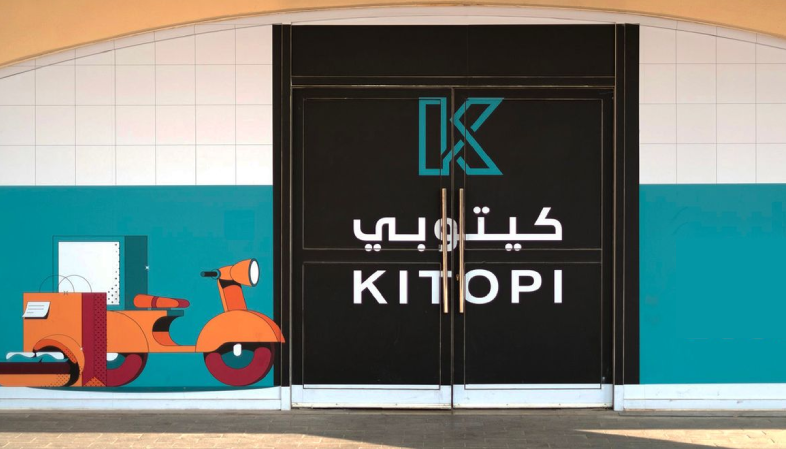
Kitopi’s kitchens, which operate in 2,000-square-foot facilities, can accommodate up to 70 brands and process an amazing 3,000 orders daily. These capabilities underscore Kitopi’s substantial role in reshaping the industry.
This blog will examine the innovative business model of Kitopi which has transformed the F&B industry and their exceptional achievements which have expanded the cloud kitchen market.
Kitopi’s Business Model
Kitpoi’s business model is made of innovation, efficiency, and simplicity. Its revenue streams are built with two fundamental elements:
- Onboarding Fees: Restaurants and F&B brands that partner with Kitopi pay a one-time onboarding fee. This cost ensures the seamless integration of their services into Kitopi’s advanced kitchen infrastructure.
- Royalty Fees: Kitopi charges a 10% royalty fee on restaurant revenues, creating a mutually beneficial partnership. This fee covers access to Kitopi’s technology-driven processes and logistical support. Kitopi tackles most of the problems that restaurant owners have had to contend with over the years, including high overheads and logistical inefficiency.
Transformation of Kitopi in the Food Industry
Kitopi has been creating new opportunities for the F&B industry by taking in all the long-standing challenges.
1. Expanding Delivery Reach
With a centralized operation with cloud kitchens, Kitopi has enabled F&B brands to reach customers beyond their geographical boundaries. These kinds of expansion will help brands to grow in competitive markets like the KSA, where demand is high and the food industry is rapidly growing.
2. Reducing Initial Investment
Kitopi’s model of business helps entrepreneurs enter the market with minimal risk, as the cloud kitchen system will only require less investment. Whereas traditional restaurants will require a substantial investment in infrastructure, utilities, and staff.
3. Leveraging Technology
At the heart of Kitopi’s success is its proprietary SKOS (Smart Kitchen Operating System). This advanced platform integrates real-time data analytics to optimize every aspect of the operation—from inventory management to delivery scheduling.
4. Creating Food Entrepreneurs
Kitopi allows its partners to focus on their culinary expertise and brand development. Kitopi has empowered many new entrepreneurs by providing tools, space, and technology and eliminating high startup costs and operational inefficiencies.
Kitopi’s Success Story
Kitopi’s impressive growth and achievements underscore its pivotal role in the cloud kitchen revolution.
-
$415 Million in Funding:
Kitopi has garnered significant investment from global players, including SoftBank Group Corp, reflecting its potential to dominate the industry.
-
Global Presence:
Kitopi’s well-organized operations and cutting-edge IT solutions make it a preferred partner for F&B brands seeking to scale internationally.
These milestones highlight Kitopi’s ability to adapt and excel in an ever-evolving market.
Why Kitopi’s Model Works in Saudi Arabia
The dynamic market combined with a tech-savvy population in KSA, would perfectly work for this model by Kitopi. Along with partnerships with a branding agency in Riyadh or the use of website design & development services, Kitopi stands higher odds of success due to its strong online presence and access to a broad audience.
For example:
- A branding agency in Riyadh can craft compelling campaigns to promote Kitopi’s partners in the competitive GCC market.
- Website design & development experts can create user-friendly platforms for food delivery, ensuring seamless customer experiences.
Conclusion
Kitopi is revolutionizing the face of the food and beverage business as it changes restaurant operations through scalable, sustainable, and technological advancements. Kitopi’s business model makes it a leader in cloud kitchens because of the strong themes of technological upgrading and entrepreneurship empowerment. When the demand for effective food services continues to rise and has become more eco-friendly, then Kitopi’s strategy will become the new benchmark for success.
Working with Kitopi and making investments in strong branding and digital platforms are essential steps for F&B firms looking to grow in areas like the KSA.
FAQs
- What is Kitopi and what are its functionalities?
Kitopi is a cloud kitchen management platform that partners with F&B brands to handle cooking, packaging, and delivery using its Smart Kitchen Operating System (SKOS).
- In what ways does Kitopi assist eateries in cutting expenses?
For its partners, Kitopi lowers overhead expenses and operational inefficiencies by centralizing operations and doing away with the necessity for physical stores.
- Does Kitopi’s use of technology affect its operations?
Kitopi optimizes delivery routes, streamlines inventory, and boosts overall productivity by utilizing SKOS and real-time data analytics.
- Why are cloud kitchens becoming more and more popular?
They are the best suited for this hectic lifestyle as they offer cheap meal delivery options along with more market access and reduced setup costs.
- How may Kitopi’s partners benefit from a branding agency in Riyadh or website design specialists?
A branding agency can enhance brand visibility, while website design and development ensure seamless online customer interactions, driving engagement and sales.