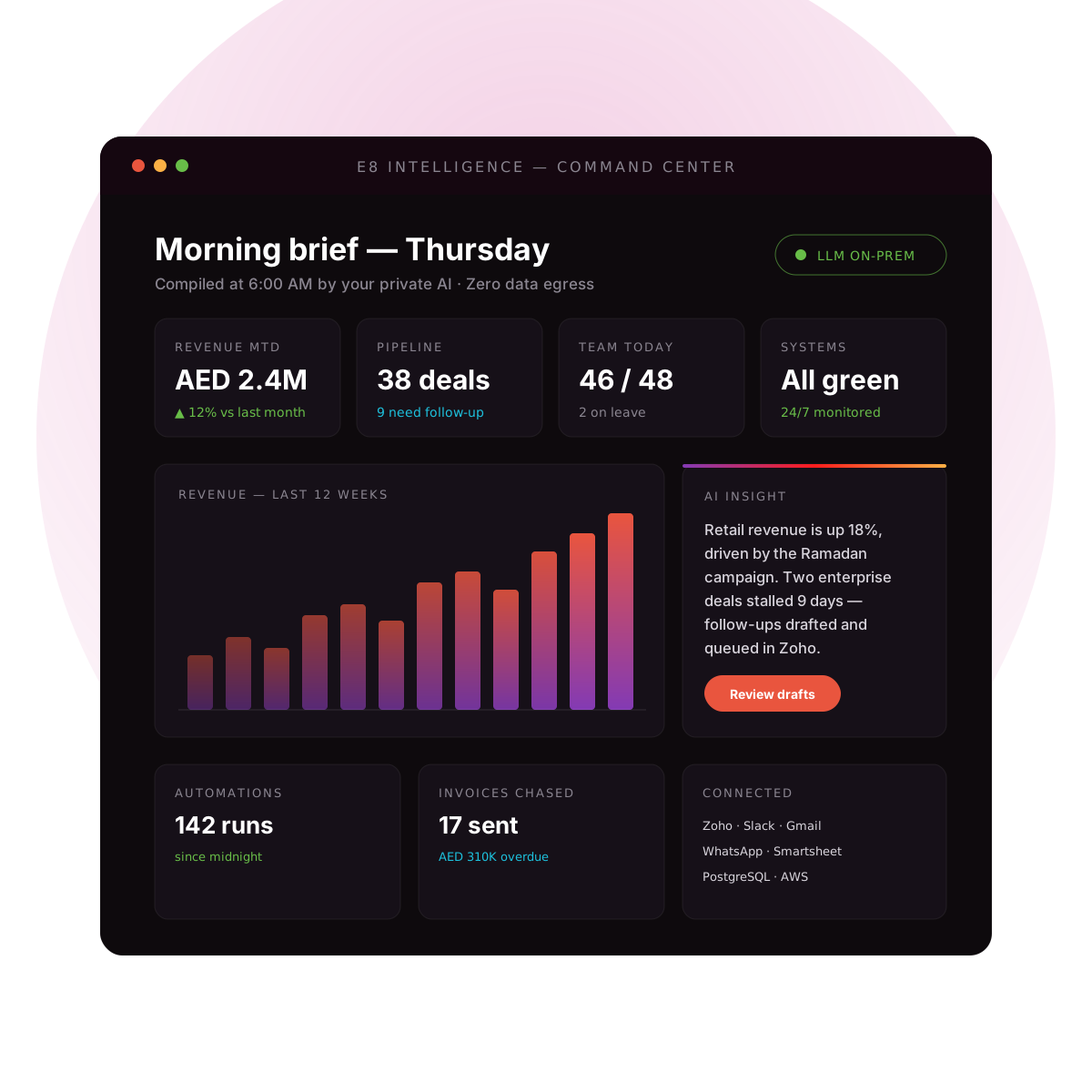

Fixed-scope build
Agree the page types, data dependencies and rendering approach for one Next.js release. Define performance and content freshness acceptance criteria.
Fixed budgetLaunch dateClear scope
Next.js applications with server rendering, strong SEO and maintainable architecture — fast, resilient experiences that don't trade performance for features.
Fast applications with modern routing, React components and clean architecture.
Next.js connected to WordPress, Sitecore, Umbraco and commerce back ends.
Controlled, low-risk migration from legacy applications.
SSR, SSG and incremental rendering for speed and discoverability.
Commerce, CRM and enterprise services wired in cleanly.
Upgrades, monitoring and continuous performance improvement.
We connect Next.js interfaces to your CMS, commerce and business systems, with rendering, caching and deployment choices matched to your traffic and content. The result is a platform your team can maintain and extend.

Agree the page types, data dependencies and rendering approach for one Next.js release. Define performance and content freshness acceptance criteria. Frontend and platform engineers work with editors on a route-based backlog. Each iteration checks component reuse, data loading and release behavior.
Agree the page types, data dependencies and rendering approach for one Next.js release. Define performance and content freshness acceptance criteria.
Frontend and platform engineers work with editors on a route-based backlog. Each iteration checks component reuse, data loading and release behavior.
Your team receives environment configuration, cache rules and deployment runbooks, with a supervised build and production recovery exercise.
Audit hydration errors, slow server work and inappropriate caching in the current application. Fix the route architecture before expanding it.
Next.js can support fast, flexible digital products when the content model and deployment process are planned together. We build interfaces, integrations and publishing workflows suited to each organization’s traffic and operating needs.

Frontend and platform engineers work with editors on a route-based backlog. Each iteration checks component reuse, data loading and release behavior. Connect CMS, search and account systems through server-side interfaces with documented cache and authentication rules.
 In-house teamNo outsourcing roulette. Strategy, design, engineering and QA sit together — the people who scope your build are the people who ship it.
 We operate what we buildE8 Ops keeps every product monitored, patched and backed up 24/7 — the same operations layer that runs our own platform.
 AI-native from day oneChatbots, RAG search, recommendations and automation are designed into the architecture on private LLMs — not bolted on after launch.
 GCC market understandingArabic interfaces, WPS payroll files, local payment gateways and Saudi integrations handled as first-class requirements.
 Fixed budgets honoredThe number we scope is the number you pay. Change requests are priced transparently — never smuggled into invoices.
 Source code is yoursFull IP transfer, documented repositories and clean handover. You own what you paid for, always.

Prototype the important page states, including loading, empty results and navigation, rather than only the ideal screen. Arabic content, RTL behavior and Saudi integration requirements are assessed within the agreed scope.
Data handling mapped to KSA privacy rules across every build.
Connect CMS, search and account systems through server-side interfaces with documented cache and authentication rules. Hosting location, subprocessors and data transfers are reviewed for the selected platform; residency is confirmed through its actual configuration.
Your team receives environment configuration, cache rules and deployment runbooks, with a supervised build and production recovery exercise. The contract defines rights to commissioned code and identifies third-party licenses.
Share the routes, content sources and interaction patterns the Next.js application must support. Rendering and cache choices follow freshness, personalization and search requirements. We use that evidence to outline scope, dependencies and budget assumptions.
Prototype the important page states, including loading, empty results and navigation, rather than only the ideal screen.
Implement server and client boundaries deliberately, testing the data and behavior required by each route.
Connect CMS, search and account systems through server-side interfaces with documented cache and authentication rules.
Validate rendered metadata, redirects and static assets in the deployment environment before routing public traffic.
Monitor server errors, content freshness and runtime dependencies. Revisit cache behavior when editorial or personalization needs change.
Prototype the important page states, including loading, empty results and navigation, rather than only the ideal screen. Explore the linked case studies for documented project scope; platform fit is confirmed during discovery.



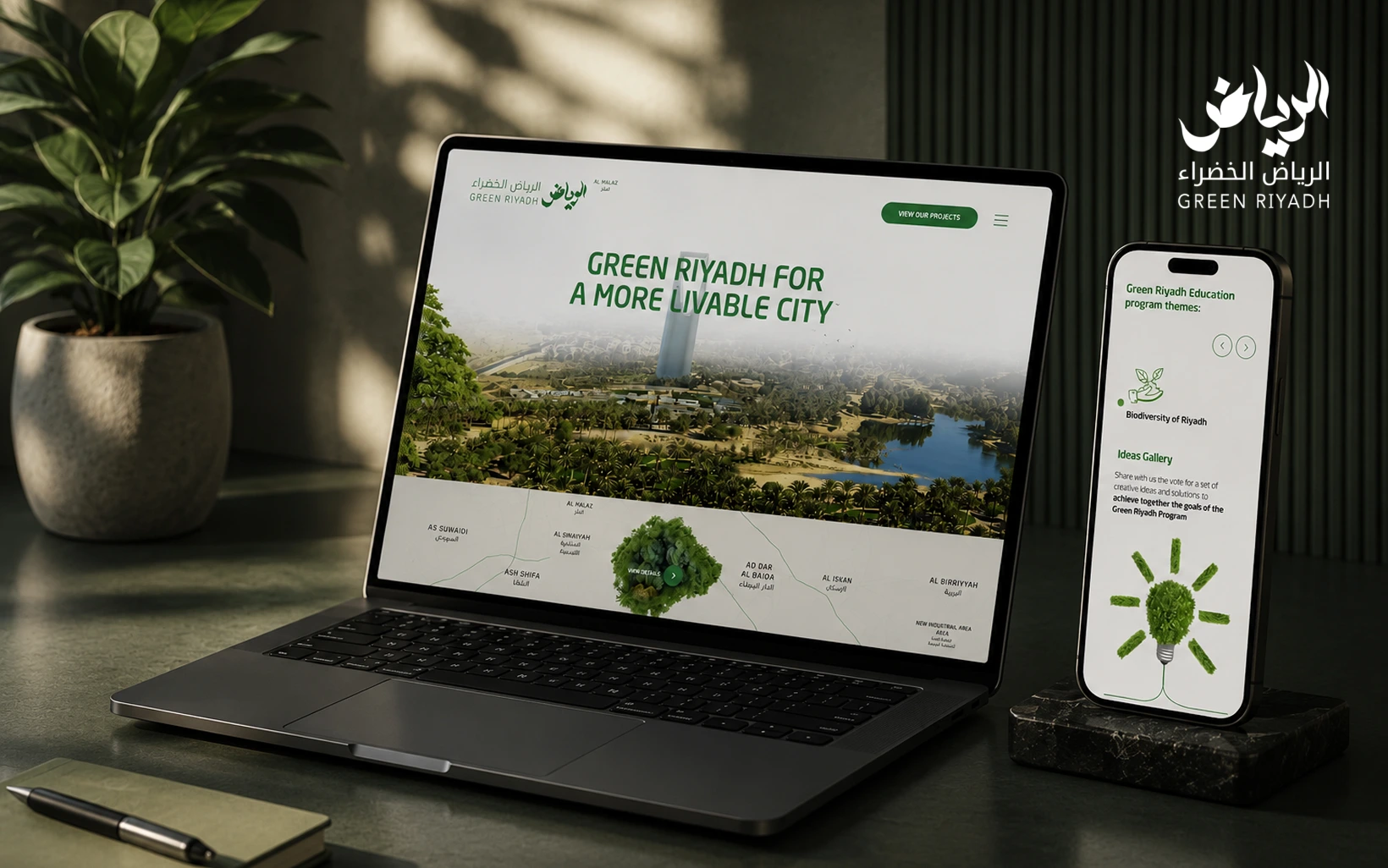

Choose rendering and caching around each sector’s need for fresh information, discoverability and authenticated interactions.

Two-sided platforms with RFQs, payments, vendor management and trust systems.

HRMS, payroll, attendance and performance platforms.

Listings, dealer tools and buyer journeys for high-consideration purchases.

Combine indexed course information with authenticated student interfaces using deliberate server and client boundaries.
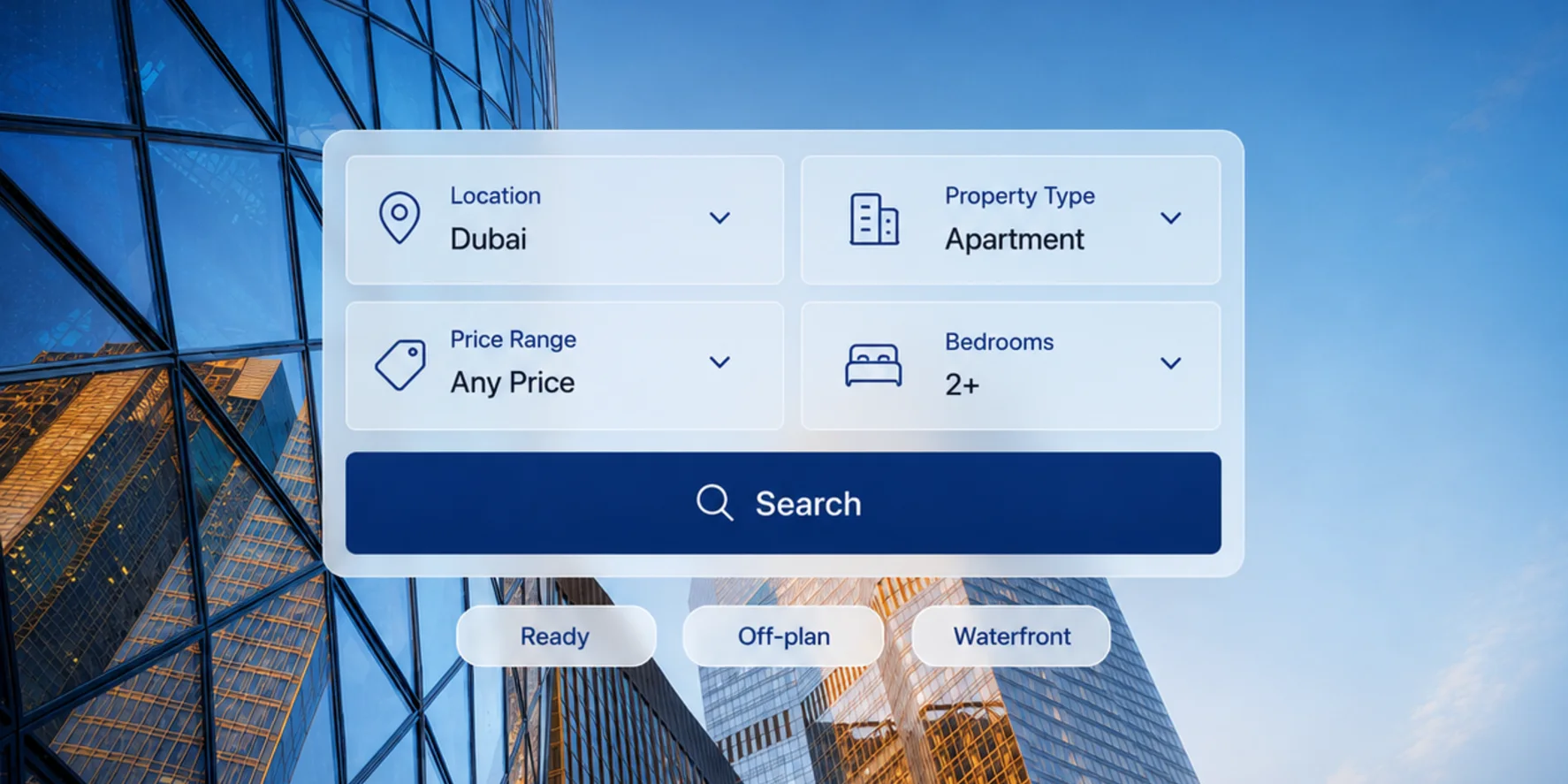
Render discoverable property pages while keeping availability updates and account interactions current.

Balance fast product discovery with accurate price, stock and account information during purchase.
Share the routes, content sources and interaction patterns the Next.js application must support. Rendering and cache choices follow freshness, personalization and search requirements.
Share the routes, content sources and interaction patterns the Next.js application must support. Rendering and cache choices follow freshness, personalization and search requirements. The consultation identifies what is ready to estimate and what needs further discovery.
Monitor server errors, content freshness and runtime dependencies. Revisit cache behavior when editorial or personalization needs change. Prototype the important page states, including loading, empty results and navigation, rather than only the ideal screen.
Your team receives environment configuration, cache rules and deployment runbooks, with a supervised build and production recovery exercise. Monitor server errors, content freshness and runtime dependencies. Revisit cache behavior when editorial or personalization needs change.

Prototype the important page states, including loading, empty results and navigation, rather than only the ideal screen. Validate rendered metadata, redirects and static assets in the deployment environment before routing public traffic.
Digital transformation is a partnership, not a project.
Server rendering, strong SEO, fast performance and a maintainable architecture that scales with you.
Yes — headless WordPress, Sitecore, Umbraco or commerce back ends.
Yes, with a controlled, low-risk migration path.
Yes. Upgrades, monitoring and continuous performance work.
Share the routes, content sources and interaction patterns the Next.js application must support. Rendering and cache choices follow freshness, personalization and search requirements. Include the intended launch window so we can assess dependencies.
Your brief is in. Our product team will reply within one business day, and your plan follows within five working days. If it is urgent, reach us on WhatsApp.
WhatsApp us