


The Evolution of Responsive Web Design: Challenges and Impact

The Evolution of Responsive Web Design: Challenges and Impact
Responsive web design has become a foundational standard for modern digital experiences, which have evolved constantly from early mobile-only websites into a unified, performance-driven approach that ensures easy usability across devices. Websites were built primarily for desktop screens, often delivering poor experiences on smaller devices. The concept of this website design gained popularity in 2010 when Ethan Marcotte coined the term in his seminal article, which sparked a discussion on integrating a responsive web design approach that catered to various devices, windows, and screen sizes.
Today, modern website development follows mobile-first principles, using advanced CSS frameworks while prioritizing SEO, accessibility, and speed. These factors are especially critical in competitive markets like the UAE. For brands seeking scalable, future-ready digital experiences in Saudi Arabia, this approach supports long-term growth and sustained digital performance.
What is Responsive Web Design?
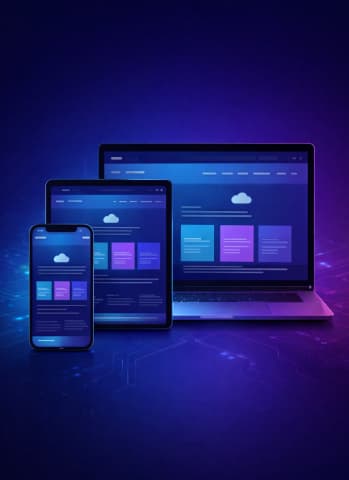
This approach ensures websites adapt seamlessly to different screen sizes and devices, delivering a consistent and optimal viewing experience. In today’s ever-changing digital world, where users access websites through smartphones, tablets, laptops, and desktops, this adaptability has become an essential rather than an optional feature.
By allowing layouts, content, and images to adjust based on devices and screen sizes automatically, this approach enhances usability, performance, and accessibility. This adaptability directly impacts user experience (UX), influencing how users engage with a website, how long they stay, and ultimately the overall success of a digital presence.
Key Principles of Responsive Web Design
Some important notions to consider when designing this type of website are using flexible images, fluid grids, and media queries, which will adjust according to the screen size without compromising the aesthetics and utility.
-
From Fixed Layouts to Flexbox and Grid
Modern approaches have moved away from rigid, fixed-width layouts to flexible systems like CSS Flexbox and Grid. These technologies allow layouts to automatically adjust and reflow across different screen sizes, ensuring better alignment, spacing, and scalability on mobile, tablet, and desktop devices.
-
Mobile-First Approach
Designing for mobile screens can first help to prioritize essential content and performance. A mobile-first strategy can make sure there is faster loading time, improved usability, and a smoother experience as the layout progressively adapts to larger screens.
-
Flexible Images
Images are scaled within their containers using CSS techniques like max-width: 100%. This prevents the images from breaking the layout or overflowing on smaller screens while maintaining visual quality.
-
Fluid Grid Systems
Fluid grids usually use relative units like percentages instead of fixed pixels, which will allow layout elements to resize proportionally. With mobile devices accounting for the majority of global web traffic, adapting layouts for smaller screens has become essential. This approach can make sure that the design is consistent across all devices and also improve usability, especially considering that a larger portion of web traffic comes from mobile users.
-
CSS Media Queries
Media queries can make websites apply different styles based on device characteristics like screen width, height, orientation, and resolution. This can allow layouts to adapt intelligently and deliver an optimized experience for each device type.
-
Responsive Typography
Typography is scaled using relative units to maintain readability across both small mobile screens and large desktop displays. This can enhance accessibility and user experience.
-
Touch-Friendly Design
Interactive elements like buttons and navigation are designed with adequate spacing and size support, which can be easily interacted with on touchscreen devices, reducing user friction.
An experienced responsive web design agency in Saudi Arabia applies these principles to create fast, user-friendly, SEO-optimized websites that perform consistently across all devices.
Challenges and Impacts of Implementing Responsive Web Design
- Growing Device DiversityThe emergence of smartphones, tablets, wearables, and foldable devices has increased the complexity of responsive web design. Websites should adapt to multiple screen sizes, interaction methods, and resolutions without compromising usability or performance.
- Increased Development Time and CostBuilding these kinds of websites requires careful planning, advanced coding, and extensive testing across multiple devices and browsers. This can lead to higher initial development time and cost, which is why many businesses rely on an experienced web design agency to manage complexity efficiently.
- Performance Optimization ChallengesServing a single codebase to all devices can impact performance, especially on mobile networks. Without proper optimization, such as image compression, lazy loading, and script minification, responsive websites can suffer from slow loading times.
- Design and Navigation ComplexityDesigners should create flexible layouts that can work for both touch-based and pointer-based navigation. Prioritizing content for smaller screens while maintaining functionality on larger devices is a key challenge in responsive web design.
- Wearable DevicesWearables introduce extremely small screens and alternative interaction methods like voice and gestures. Responsive design for wearables focuses more on minimalism, micro-interactions, and efficient navigation to deliver essential information quickly.
- Foldable DevicesFoldable devices need layouts that can adapt smoothly as the screen expands or collapses. It can make sure content continuity, adaptive layouts, and effective multitasking experiences across different screen states.
- Future and Emerging TechnologiesTechnologies such as AR, AI, and voice interfaces are evolving, and responsive web design should become more context-aware. This will include adapting to user behavior, environment, and interaction modes, not just screen size.
- Positive Impact on UX and SEODespite its challenges, it can significantly improve user experience and search engine visibility. Mobile-friendly websites rank much higher in search results, reduce bounce rates, and also increase user engagement and conversions.
- Long-Term Cost Efficiency and ScalabilityMaintaining a single responsive website is more efficient than managing separate desktop and mobile versions. A skilled responsive web design company in Saudi Arabia can deliver scalable, future-ready solutions that support long-term digital growth.
Delivering Advanced Responsive Web Design in Saudi Arabia
Element8 has been at the forefront of creating responsive web design solutions that not only look visually appealing but also perform easily across all devices, including smartphones, tablets, and desktops. In projects like Chestertons‘ real estate website, Element8 has implemented responsive layouts that guarantee an optimal viewing experience across all screen sizes, making sure users can easily browse property listings without sacrificing design or functionality.
This commitment reflects how Element8 leverages modern technologies such as fluid grids, flexible images, CSS media queries, and mobile-first strategies to overcome common design challenges and deliver consistent, high-performance digital experiences. By combining advanced technical execution with strong UX design principles, Element8 has become a trusted partner for businesses in Saudi Arabia seeking scalable, SEO-optimized websites that drive engagement and support long-term growth.
Building Future-Ready Digital Experiences with Responsive Web Design
It is no longer just a technical best practice but a strategic necessity for businesses operating in an increasingly competitive, multi-device, user-centric digital landscape. As screen sizes, interaction methods, and technologies continue to evolve, this approach ensures websites remain accessible, high-performing, and visually consistent across all platforms. Despite challenges such as performance optimization and device diversity, the long-term benefits in user experience, SEO, scalability, and cost efficiency far outweigh the initial investment.
By adopting modern frameworks, mobile-first strategies, and advanced optimization techniques, businesses can provide easy digital experiences that are future-ready and result-driven. For businesses seeking reliable, future-ready responsive web design in Saudi Arabia, Element8 offers the expertise, technology, and strategic insight needed to deliver consistent digital experiences that grow with your brand.