


Saudi Logo Evolution and Significance
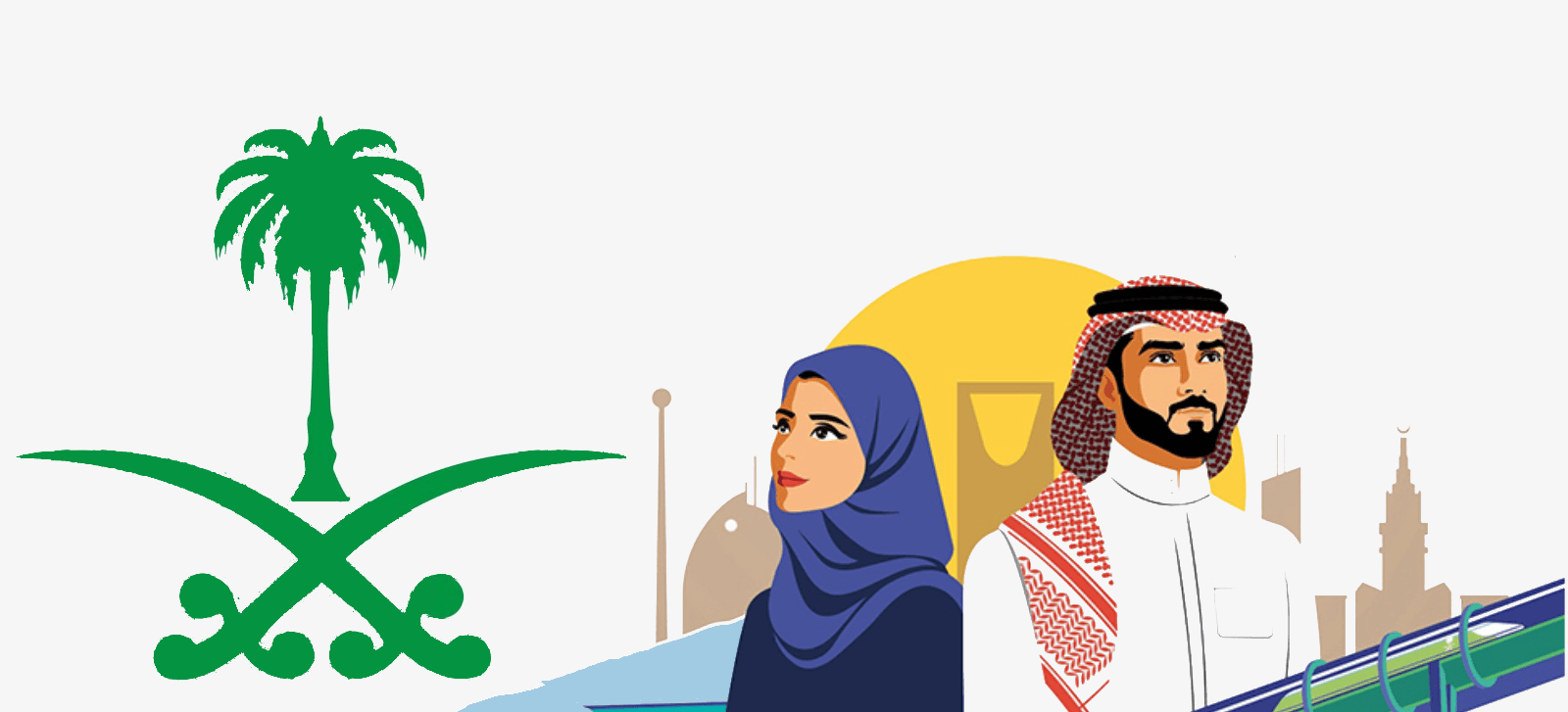
Logos are powerful symbols that represent a nation’s identity, values, and aspirations in a single image. The Saudi Arabian flag isn’t just a graphic—it represents the country’s history, culture, and economic ambition. In this article, we explore the evolution, design elements, and significance of the Saudi logo, emphasizing its role in national identity and global presence.
Saudi Logo’s Historical Evolution
The Saudi Arabian logo has undergone several transformations since the kingdom was established in 1932. Two crossed swords with a palm tree are the primary emblem, which appears on the national flag and state insignia. The design, rich in symbolism, represents Saudi Arabia’s values and historical narrative.
Symbolism and early designs
Initially, the Saudi emblem focused mainly on crossed swords. In addition to symbolizing strength, justice, and the nation’s readiness to defend its sovereignty, these swords represent King Abdulaziz Al Saud’s unification of the kingdom. Added later, the palm tree symbolizes prosperity, growth, and the natural wealth of the Arabian Peninsula, particularly the date palm.
Adaptations to modern times
As part of the kingdom’s Vision 2030 initiative, the Saudi logo has undergone modern adaptations in recent years. The plan, launched by Crown Prince Mohammed bin Salman, aims to diversify the economy and reduce dependence on oil. To reflect modernization and progress, the updated logo versions maintain traditional elements while incorporating contemporary design aesthetics.
Saudi Logo Design Elements
Saudi logos are carefully designed to convey cultural and historical significance. A particular aspect of the kingdom’s identity is represented by each element.
The Crossed Swords
Strong and united, the crossed swords are a symbol of the kingdom’s military might. Additionally, they acknowledge the House of Saud’s role in unifying the disparate regions of the Arabian Peninsula. There is usually a sense of readiness and vigilance associated with swords, emphasizing the kingdom’s commitment to security and justice.
The Palm Tree
Above the crossed swords, the palm tree represents prosperity and growth. This is a nod to Saudi Arabia’s natural environment and agricultural heritage, particularly the date palm, which has been a staple food for centuries. Furthermore, the palm tree symbolizes the kingdom’s forward-looking vision, emphasizing sustainability and development.
Global and national significance
Besides being a national emblem, the Saudi logo also serves as a powerful tool in international diplomacy and branding. In addition to enhancing the kingdom’s global image, it fosters national pride.
National Identity and Unity
The Saudi logo serves as a unifying symbol that fosters national identity and pride at home. Citizens are reminded of their shared heritage and collective aspirations by this common sight on government buildings, official documents, and public infrastructure. Furthermore, the emblem’s presence at national celebrations and significant events reinforces its role in fostering patriotism and unity.
International Representation
Across the globe, the Saudi logo is an integral part of the kingdom’s branding efforts. In diplomatic missions and international conferences, it is prominently displayed. In addition to communicating the kingdom’s rich history and cultural heritage, the emblem demonstrates its ambitious vision for the future. In this context, the logo serves as a visual ambassador, shaping perceptions and building relationships with other nations.
With Element8 Saudi, you’ll get the best logo design services in Saudi Arabia, combining creativity with a deep understanding of cultural heritage.
Vision 2030 and the Saudi Logo
According to Vision 2030, Saudi Arabia aims to reduce its dependence on oil, diversify its economy, and develop public service sectors such as health, education, infrastructure, recreation, and tourism. Symbolizing the kingdom’s commitment to modernization and development, the logo plays a crucial role in this transformative agenda.
Explore more on : Unlocking Saudi Arabias Vision 2030
Diversification of the economy and modernization
A more dynamic and progressive logo has been developed as part of Vision 2030. In newer versions, traditional symbols are retained while modern elements are incorporated, allowing innovation to coexist with heritage. From investment brochures to tourism campaigns, the updated logo portrays a forward-looking, economically diverse nation.
Cultural Preservation and Promotion
Although the logo reflects modern aspirations, it also emphasizes cultural preservation. As part of Vision 2030, significant investments will be made in cultural initiatives, such as museums, heritage sites, and cultural festivals. In the midst of a modern future, the logo’s deep-rooted symbols serve as a constant reminder of the kingdom’s rich cultural heritage.
Conclusion
An iconic symbol of Saudi identity, the Saudi logo combines historical richness with contemporary aspirations. In its evolution, it embodies values of strength, prosperity, and visionary ambition, reflecting the nation’s journey from unification to modernization. In addition to fostering unity at home and projecting a powerful image abroad, the logo will remain a crucial element in Saudi Arabia’s vision 2030. Saudi Arabia communicates its past accomplishments and future goals through this emblem, making it a central component of its global strategy and identity.
Contact us to know more on how Element8 contributes to digital transformation in Saudi.