


IBM API Connect for API Management
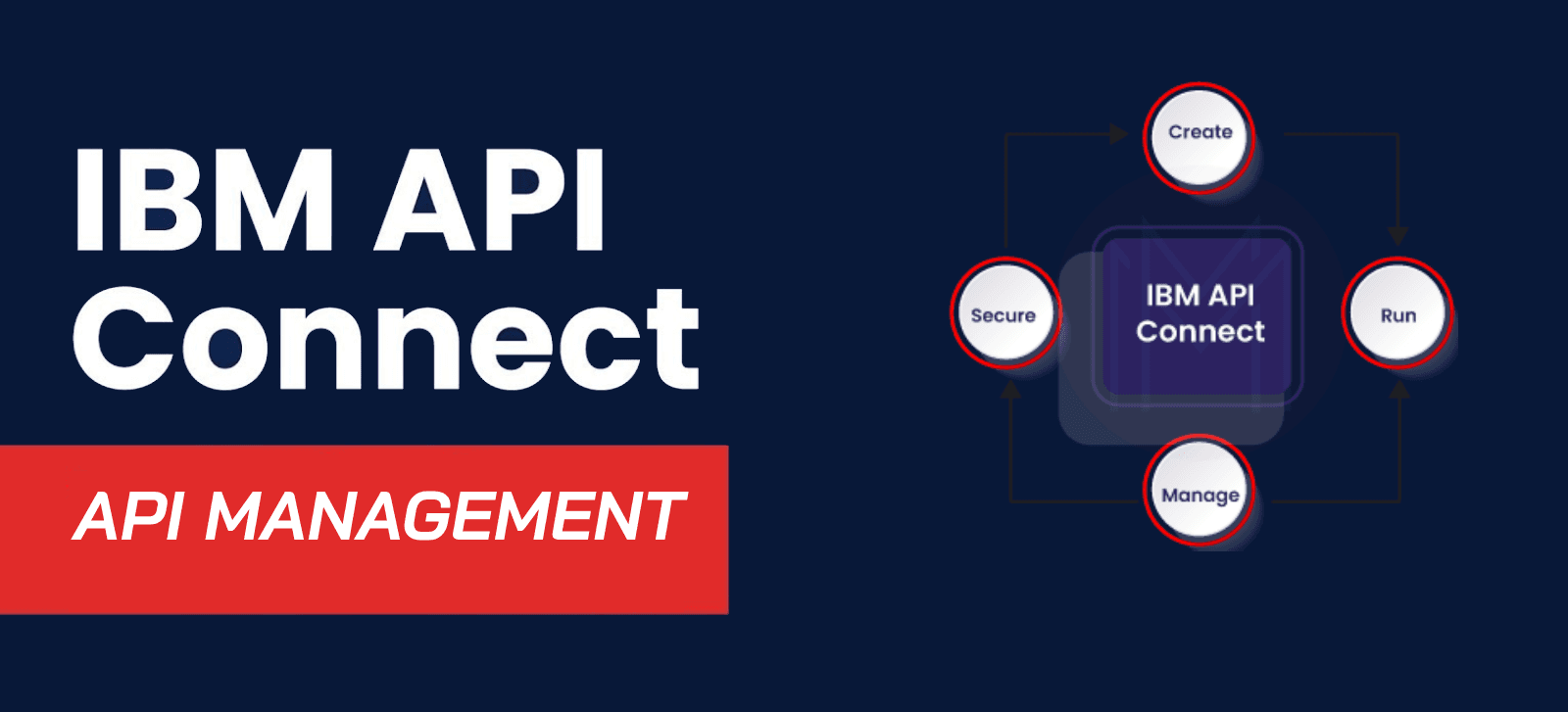
In our virtually empowered world, seamless integration between diverse and dynamic apps and frameworks is critically important. In this technical pursuit, API is a vital component of the IT infrastructure. One of the most renowned leaders in this tangent of technology is IBM API Connect. This platform works on dual vertices, i.e. it is not merely limited to the creation, management, and security of the APIs but it also improves their management of the lifecycle. Hence it is one of the most sought-after tools for several entities. In this blog, we will ponder further on this and the power IBM API Connect holds for API management. Let’s go without further ado!
What is API Management?
IBM API Connect is an integrated API Management solution that can cater to end-to-end capabilities to create, manage, secure, and socialize the APIs. It also extends a strong and scalable platform armed for meeting different requirements of modern enterprises, in addition to seamlessly integrating and interacting with versatile applications and services.
What makes IBM API Connect Special?
API Creation and Development
- IBM API Connect makes the process of creating APIs more straightforward than ever, thanks to its features like an intuitive, drag-and-drop interface that supports both REST and SOAP APIs, empowering developers to design APIs with minimum effort using built-in tools. The platform also merges with different backend systems, making it extremely easy to make vulnerable data and services.
API Security
2. Security is the penultimate concern in API management, and IBM API Connect solves this pain point well. It provides advanced security features such as OAuth 2.0 TLS, and API key management, guaranteeing APIs remain safe against unauthorized access and potential risks. Moreover, it includes built-in threat detection and analytics to gauge and respond to security in real time.
API Gateway
3. The API Gateway is a vital component of API Connect, which is an entry point for API requests and handles request routing, composition, and protocol translation, guaranteeing efficient API traffic management. The pathway also adds security policies and provides a framework like rate limiting and caching to improve performance.
API Lifecycle Management
4. IBM API Connect extends comprehensive API lifecycle management, encompassing everything from creation and testing to deployment and retirement.This approach guarantees that APIs are continually maintained, updated, and optimized throughout the lifecycle, reducing downtime and improving reliance.
Developer Portal
5. The developer portal is a salient feature that serves the adoption and usage of APIs. it provides a personalized self-service portal where developers can discover, explore, and subscribe to APIs. The portal involves documentation, code samples, and interactive and intuitive tools to aid developers in integrating APIs quickly and efficiently.
Analytics & Monitoring
6. Comprehending how APIs are employed in performing crucially improvements. IBM API Connect involves robust analytics and monitoring tools that facilitate insights into the API usage patterns, performance metrics, and potential issues. These insights allow the business to optimize its APIs and enhance user experiences.
What are the Advantages of IBM API Connect?
The following are the benefits that can be leveraged out of IBM API Connect:
Improved Productivity:
By simplifying the API development and management processes. IBM API Connect catalyzes the productivity of the development teams. The user-friendly interface and complete toolset reduce the time and effort needed to create and manage the APIs.
Improved Security:
With strong security features and real-time threat detection, IBM API Connect guarantees APIs are safe from potential risks, protecting sensitive data and maintaining compliance with industry standards.
Improved Scalability:
IBM API Connect is created to scale with your business requirements. Whether you are managing a handful of APIs or thousands, the platform can take the load, continuing persistent performance and reliability.
Improved Customer Experience:
With reliable and actively performing APIs, businesses will be able to render improved experiences to their customers. Seamless integration and interoperability advance the user experience, piloting customer satisfaction and loyalty.
Improved Decisions:
IBM API Connect’s power to analyze and monitor abilities to cater much valuable insights that aid businesses to make more sound and informed decisions. By comprehending API usage and performance, companies can optimize their APIs and drive innovation.
Bottomline:
In our digital landscape today, APIs are the spine of digital transformation. Hence having a strong API management helps businesses to conquer the edge of the game. IBM API Connect stands as a beacon of a secured, comprehensive, and scalable platform that solves the complexities of API management. So if you are a developer seeking ways to simplify the API creation or a business entity looking for ways to advance the integration and interoperability of systems then IBM API Connect is the perfect key.
Investing in the tools and features that IBM API Connect has to offer is incentivizing as it kindles innovation, and efficiency and advances the customer experience. Hence businesses continue to rhea out to expert development companies like ours that help them to position this power well for their business. If you are someone, who is on the lookout for a reliable partner in this pursuit, then we have got your back. Contact us today and let us talk about some insanely creative ideas.