
Fixed-scope build
Define the content types, frontend routes and preview requirements for a bounded headless release. The scope includes how editors publish and verify changes.
Fixed budgetLaunch dateClear scope
We deliver headless WordPress development services with modern front-end frameworks like Next.js for fast, scalable, and future-ready websites.
We design and develop custom headless WordPress CMS architecture customized to your business goals, enabling flexible content delivery, scalable infrastructure, and easy user experiences across platforms.
Our team integrates REST APIs, GraphQL, CRMs, ERPs, and third-party systems to make sure there is a smooth data flow between your WordPress backend and front-end applications.
We optimize Core Web Vitals, which will use advanced caching, CDN deployment, mobile performance, disrupting content, SEO, and business operations.
We easily convert traditional WordPress sites into headless CMS architectures without disrupting content, SEO, or business operations.
Our SEO-first approach can make sure there is crawlability, server-side rendering, and structured data implementation, and technical optimization for strong search visibility.
We provide continuous performance monitoring, security updates, scalability enhancements, and system optimization to keep your platform future-ready.
Headless WordPress separates editorial management from the customer-facing experience. We help teams decide when that architecture is useful, then build the publishing workflow, APIs and frontend around their content and performance needs.

At Element8, we build enterprise-grade headless WordPress solutions that can support business growth through performance optimization, advanced integrations, SEO-ready architecture, and scalable digital experiences. Our solutions are designed for organizations that demand speed, reliability, and future-ready digital infrastructure supported by DevOps deployment automation.
Define the content types, frontend routes and preview requirements for a bounded headless release. The scope includes how editors publish and verify changes. A frontend engineer and WordPress specialist evolve the content API together. Editors review previews as page types and channels expand.
Define the content types, frontend routes and preview requirements for a bounded headless release. The scope includes how editors publish and verify changes.
A frontend engineer and WordPress specialist evolve the content API together. Editors review previews as page types and channels expand.
Transfer both the WordPress backend and frontend release process, including preview configuration, cache invalidation and credential rotation.
Audit API permissions, broken previews and stale page caches before changing architecture. Keep the editorial workflow usable during migration.
A frontend engineer and WordPress specialist evolve the content API together. Editors review previews as page types and channels expand. Connect REST or GraphQL content delivery with search, forms and publishing webhooks. Keep private credentials on the server.
 Faster Digital ExperiencesHeadless architecture delivers ultra-fast front-end performance, which can improve user engagement, conversion rates, and search rankings.
 Enhanced Developer WorkflowDevelopers can work independently on the front end without CMS restrictions, accelerating development and innovation cycles.
 Scalable ArchitectureYour website can actually grow across platforms, regions, and traffic volumes without structural limitations.
 Improved SecurityDecoupling the CMS reduces attack surfaces, minimizes vulnerabilities, and also improves data protection.
 Flexible Content DeliveryContent can be distributed across websites, apps, kiosks, and digital platforms from a single backend.
 SEO & Performance ReadyWith SSR, optimized rendering, and technical SEO implementation, headless WordPress supports strong organic visibility.
Prototype the reading journey and editorial preview together so content authors can judge the experience before release. Arabic content, RTL behavior and Saudi integration requirements are assessed within the agreed scope.
Data handling mapped to KSA privacy rules across every build.
Connect REST or GraphQL content delivery with search, forms and publishing webhooks. Keep private credentials on the server. Hosting location, subprocessors and data transfers are reviewed for the selected platform; residency is confirmed through its actual configuration.
Transfer both the WordPress backend and frontend release process, including preview configuration, cache invalidation and credential rotation. The contract defines rights to commissioned code and identifies third-party licenses.
Bring the current WordPress content model, publishing workflow and frontend constraints. We assess whether decoupling solves a real editorial or delivery problem. We use that evidence to outline scope, dependencies and budget assumptions.
Prototype the reading journey and editorial preview together so content authors can judge the experience before release.
Implement reusable frontend components against documented WordPress content types rather than coupling pages to ad hoc fields.
Connect REST or GraphQL content delivery with search, forms and publishing webhooks. Keep private credentials on the server.
Check redirects, rendered metadata and cache refresh behavior when the decoupled frontend goes live.
Maintain WordPress plugins and the frontend runtime as separate systems. Monitor publishing failures alongside visitor-facing errors.
Prototype the reading journey and editorial preview together so content authors can judge the experience before release. Explore the linked case studies for documented project scope; platform fit is confirmed during discovery.


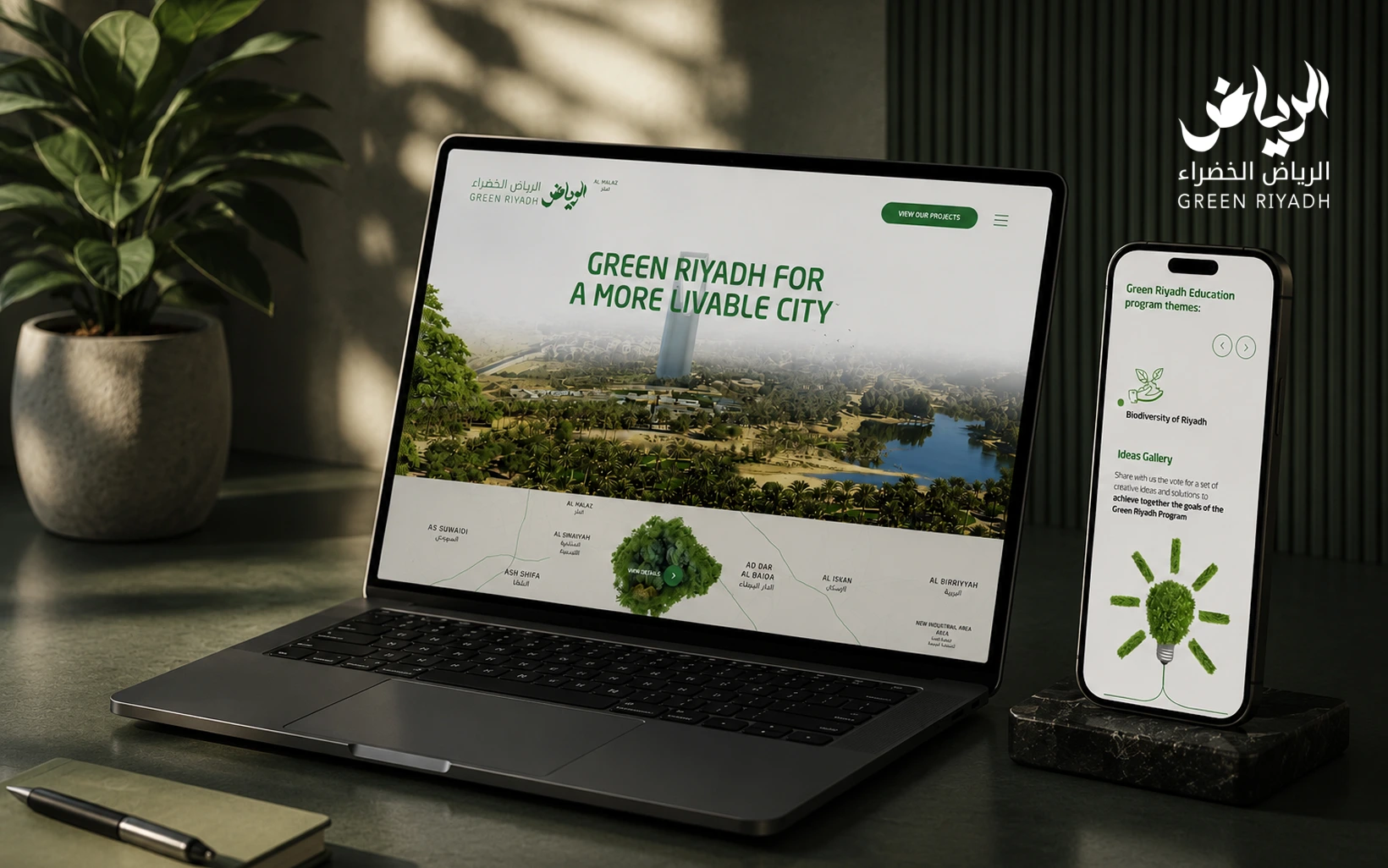

For content-heavy sectors, separate editorial ownership from channel delivery while preserving preview and approval workflows.

Two-sided platforms with RFQs, payments, vendor management and trust systems.

HRMS, payroll, attendance and performance platforms.

Listings, dealer tools and buyer journeys for high-consideration purchases.

Give academic editors reusable course and institution content with previews for each frontend.
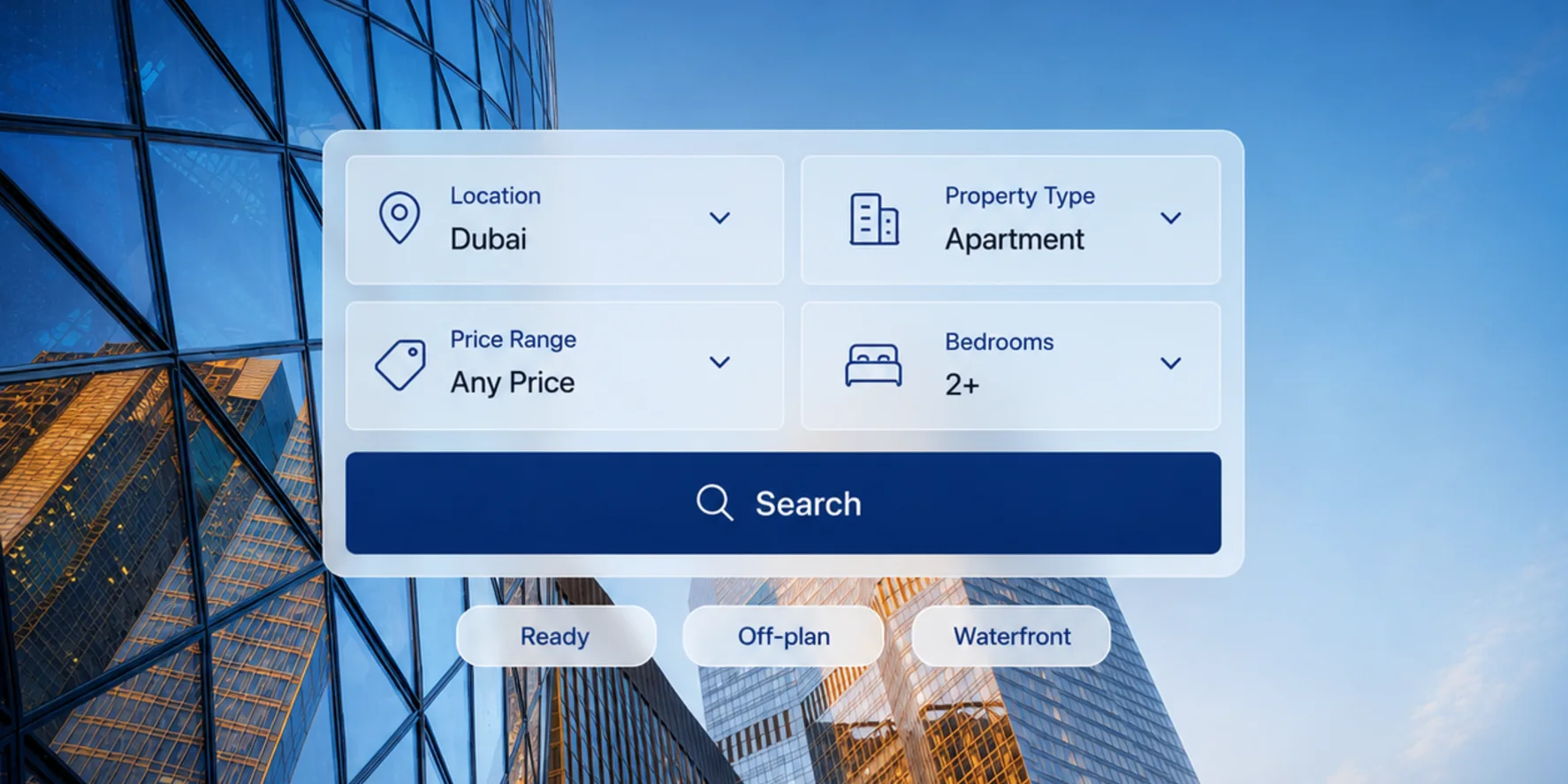
Publish property content once and deliver it to project sites through governed WordPress APIs.

Use WordPress for editorial commerce content while a dedicated commerce system owns checkout and orders.
Bring the current WordPress content model, publishing workflow and frontend constraints. We assess whether decoupling solves a real editorial or delivery problem.
Bring the current WordPress content model, publishing workflow and frontend constraints. We assess whether decoupling solves a real editorial or delivery problem. The consultation identifies what is ready to estimate and what needs further discovery.
Maintain WordPress plugins and the frontend runtime as separate systems. Monitor publishing failures alongside visitor-facing errors. Prototype the reading journey and editorial preview together so content authors can judge the experience before release.
Transfer both the WordPress backend and frontend release process, including preview configuration, cache invalidation and credential rotation. Maintain WordPress plugins and the frontend runtime as separate systems. Monitor publishing failures alongside visitor-facing errors.

Prototype the reading journey and editorial preview together so content authors can judge the experience before release. Check redirects, rendered metadata and cache refresh behavior when the decoupled frontend goes live.
Digital transformation is a partnership, not a project.
Headless WordPress is used to build high-performance, scalable, and multi-platform digital experiences for large organizations. It will allow enterprises to manage content centrally while delivering it across websites, mobile apps, portals, and other digital channels with greater speed and flexibility.
By separating the content management systems from the front-end, pages load faster and handle traffic spikes more efficiently. This architecture supports modern frameworks that optimize performance, which can make it easier to scale as business and user demands grow.
Yes, Headless WordPress supports SEO in Saudi Arabia by meeting PDPL compliance, optimizing Arabic content delivery, and improving mobile performance for KSA search visibility.
Businesses that require advanced performance, higher security, omnichannel content delivery, and fully personalized user experiences can benefit most from headless architecture. It is ideal for enterprises, SaaS platforms, e-commerce brands, and government portals.
Yes, traditional WordPress websites can be migrated into a headless setup while preserving existing content, SEO value, and core functionality. This transition can improve performance without disrupting business operations.
We can use modern front-end frameworks like React and Next.js, along with REST or GraphQL APIs. This can combine to ensure fast rendering, scalable architecture, and easy integration with enterprise systems.
The project timeline can be different based on complexity, integration, and features. Most enterprise-grade headless WordPress projects can take up to 8-16 weeks from planning to launch.
Yes, decoupled architecture can reduce exposure to common CMS vulnerabilities. With secure APIs, access control, and enterprise-grade hosting, headless WordPress offers stronger protection for sensitive data.
Bring the current WordPress content model, publishing workflow and frontend constraints. We assess whether decoupling solves a real editorial or delivery problem. Include the intended launch window so we can assess dependencies.
Your brief is in. Our product team will reply within one business day, and your plan follows within five working days. If it is urgent, reach us on WhatsApp.
WhatsApp us